


What Are 3 Tab Shingles? (Lifespan, Installation…)
If you’ve started exploring roofing options for your home, you’ve probably come across 3 tab shingles—a long-time favorite among homeowners for their affordability, clean design, and reliable performance. While architectural shingles have gained popularity in recent years, 3 tab shingles continue to be one of the most cost-effective and dependable choices for residential roofing in Roseville and surrounding areas.
When installed correctly, these shingles can deliver years of protection while maintaining a classic look that suits nearly any home style. If you’re considering a replacement or upgrade, learning about how 3 tab shingles work will help you make a confident decision. To explore material options and installation services, you can learn more about professional roofing solutions available in your area.
Here’s what you’ll learn in this guide:
- What 3 tab shingles are and how they differ from other roofing types
- How long they last and what impacts their lifespan
- Step-by-step details of the installation process
- Tips for maintenance and selecting the right roofing contractor
Why Homeowners Still Choose 3 Tab Shingles
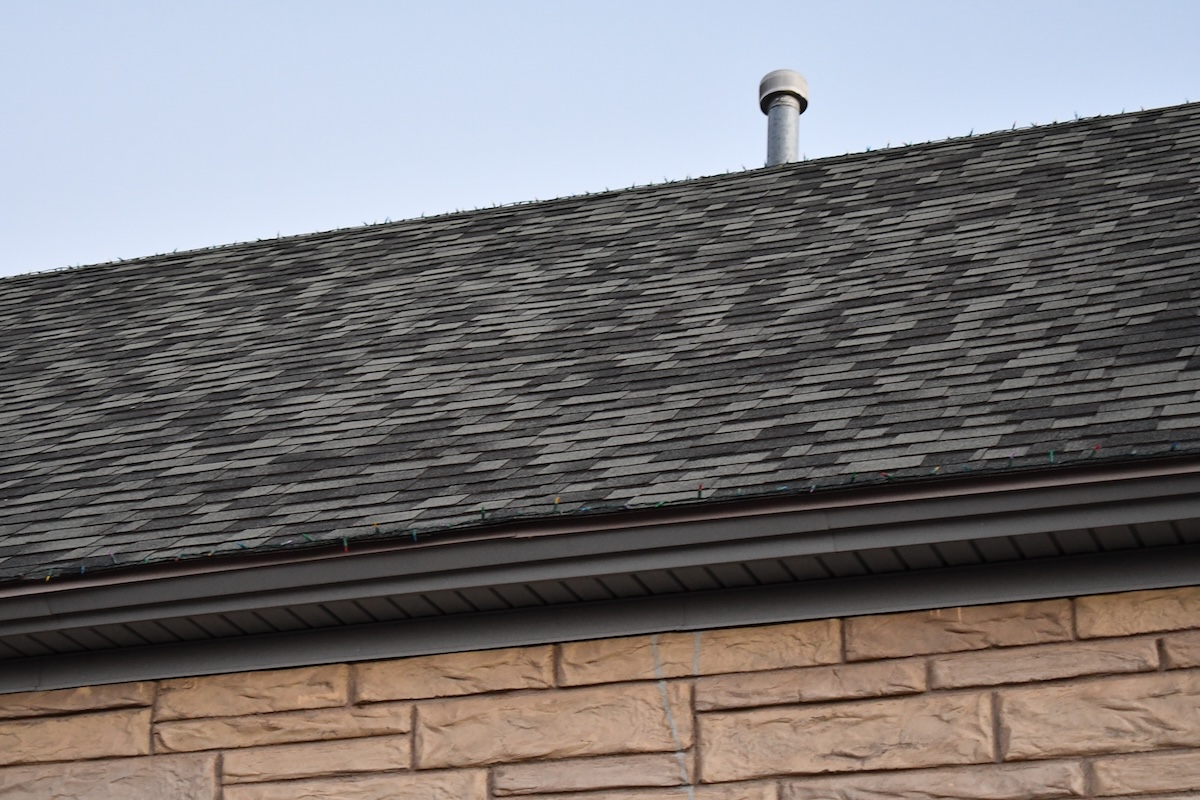
Although newer roofing materials have entered the market, 3 tab shingles remain a solid choice for many homeowners. They balance cost, appearance, and practicality—qualities that make them an attractive option for both first-time buyers and seasoned homeowners.
- Affordable and Efficient: These shingles are among the most budget-friendly roofing materials available, providing a durable and weather-resistant covering without the higher price tag of designer alternatives.
- Proven Longevity: A properly installed 3 tab shingle roof can last 20 to 30 years, offering dependable protection when maintained correctly.
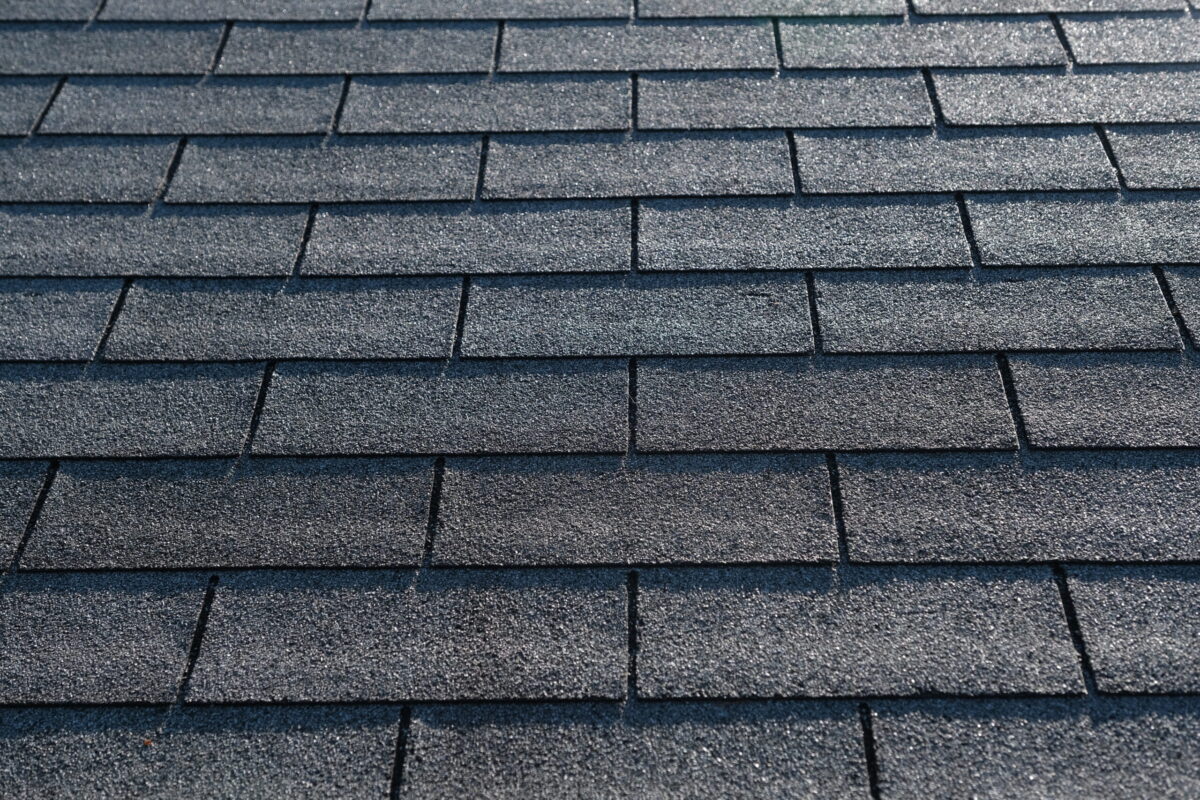
- Uniform Appearance: Each shingle features three evenly spaced tabs, creating a clean, symmetrical look that complements traditional home styles across Roseville and surrounding areas.
- Lightweight and Easy to Install: Their design simplifies installation, reducing labor costs and time compared to heavier or more complex roofing systems.
- Reliable Performance: Quality 3 tab shingles provide strong resistance to rain, sun, and moderate wind, making them ideal for California’s seasonal weather shifts.
The Lifespan and Installation Process Explained
Understanding how 3 tab shingles are installed and what affects their longevity helps homeowners get the most value from their roof. Below is a breakdown of the essential steps and considerations during the installation process.
1. Roof Inspection and Preparation
Before new shingles are installed, the roof structure must be inspected for damage or weakness. A qualified contractor checks for soft spots, rot, and existing leaks to ensure the surface can support new materials.
During preparation:
- Old shingles or debris are removed if necessary
- Damaged decking is repaired or replaced
- Underlayment and flashing plans are finalized for maximum protection
This step is critical for extending the overall lifespan of your roof.
2. Applying the Underlayment
Once the surface is cleared and repaired, a high-quality underlayment is rolled across the deck. This layer serves as a moisture barrier, protecting your home from leaks caused by wind-driven rain or ice dams.
Common underlayment materials include:
- Felt paper (traditional and affordable)
- Synthetic underlayment (lightweight and tear-resistant)
In warmer climates like Roseville, synthetic materials are often recommended for their superior heat resistance.
3. Installing Starter Shingles
Starter shingles are placed along the roof edges to create a secure foundation and prevent water infiltration under the first row. They’re typically coated with adhesive to help bond the first course of shingles securely.
Proper alignment of the starter course is essential for a straight, professional finish.
4. Laying 3 Tab Shingles
Each 3 tab shingle is carefully aligned and nailed into place, starting from the lower edge of the roof and moving upward in overlapping rows. The goal is to ensure complete coverage while maintaining visual consistency across the roofline.
Key details during this step:
- Nails are driven just below the adhesive strip
- Each shingle overlaps the one below by half its height
- Tabs are evenly spaced for a seamless appearance
This straightforward process is one reason 3 tab shingles remain a cost-effective and popular roofing option.
5. Flashing and Vent Installation
After shingles are in place, metal flashing is added around valleys, vents, chimneys, and skylights to prevent leaks. Properly installed flashing ensures that water flows off the roof rather than seeping into joints.
At the same time, ridge vents or box vents are installed to maintain healthy attic airflow, preventing heat buildup and moisture accumulation.
6. Finishing Touches and Final Inspection
Once the main installation is complete, ridge caps are installed along the roof peak for added protection and a polished appearance. The contractor then performs a full inspection to confirm proper alignment, secure fastening, and compliance with manufacturer guidelines.
At the end of this process, homeowners receive warranty information and basic maintenance recommendations to keep their roof performing well for years.
How to Extend the Lifespan of 3 Tab Shingles
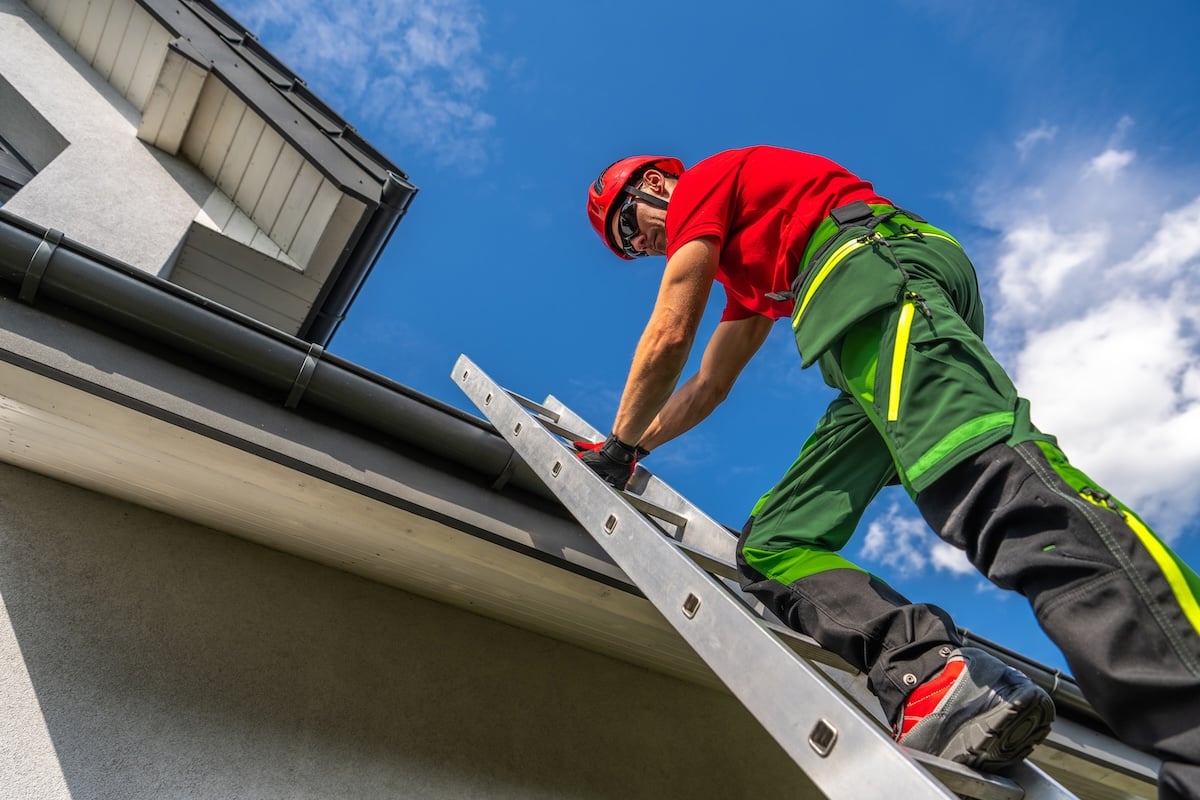
Although 3 tab shingles are built for reliability, regular care ensures they reach their full potential. With consistent maintenance, you can avoid premature wear and expensive repairs.
- Regular Roof Inspections: Schedule inspections at least once per year, especially after heavy storms. Early detection of damage helps prevent leaks and structural issues.
- Clean Gutters and Debris: Clogged gutters or leaf buildup can trap moisture against the shingles, leading to mold or deterioration.
- Address Moss or Algae Growth: Use gentle cleaning solutions or zinc strips to prevent unsightly stains and potential shingle damage.
- Proper Ventilation: A well-ventilated attic prevents excess heat and moisture, two major factors that reduce shingle lifespan.
- Avoid Power Washing: High-pressure water can strip away granules, weakening the shingles. Stick to soft washing methods or hire professionals for safe cleaning.
3 Tab Shingles vs. Architectural Shingles
When choosing a new roof, homeowners often compare 3 tab shingles to architectural (dimensional) shingles. Each offers distinct benefits depending on budget, desired appearance, and long-term goals.
| Feature | 3 Tab Shingles | Architectural Shingles |
| Appearance | Flat, uniform tabs | Multi-layered, textured design |
| Lifespan | 20–30 years | 30–50 years |
| Cost | Lower upfront investment | Higher upfront investment |
| Weight | Lightweight | Heavier and more durable |
| Wind Resistance | Up to 60 mph | Up to 120 mph |
| Installation Time | Faster | Slightly longer |
For homeowners in Roseville and surrounding areas, 3 tab shingles often make sense when balancing cost-effectiveness and practicality. They’re ideal for rental properties, starter homes, or projects where a clean, traditional look fits best.
5 Signs It’s Time to Replace 3 Tab Shingles
Even with proper care, shingles eventually wear out. Knowing when to replace them helps prevent damage to your home’s interior and structure.
- Curling or Lifting Tabs: This indicates moisture infiltration or heat damage, reducing wind resistance.
- Missing Granules: Bald spots on shingles expose the underlying material to UV rays, accelerating aging.
- Leaks or Water Stains: Discoloration in ceilings or attic spaces often points to compromised shingles or flashing.
- Moss or Algae Growth: Persistent organic buildup can retain moisture, breaking down protective layers.
- Age of the Roof: If your roof is over 20 years old, it’s wise to schedule a professional evaluation to assess its remaining lifespan.
Common Questions About 3 Tab Shingles
Homeowners often have questions about how 3 tab shingles perform, especially compared to other materials. Below are answers to some of the most frequently asked questions.
Are 3 tab shingles still a good choice today?
Yes. While not as thick as architectural shingles, they remain reliable and cost-effective for homeowners who want a balance of quality and affordability.
Can I install new shingles over old ones?
In some cases, yes—if the existing roof is flat, dry, and in good condition. However, it’s usually best to remove old layers to inspect for hidden damage and ensure proper installation.
How long does installation take?
A standard 3 tab shingle roof can often be completed in 1 to 3 days, depending on size, weather, and preparation needs.
Do they require special maintenance?
No. Routine cleaning, annual inspections, and good attic ventilation are usually enough to maintain performance.
Are 3 tab shingles suitable for hot climates?
Absolutely. Many brands use reflective coatings that help reduce heat absorption, improving energy efficiency in warm areas like Roseville.
Your Next Step Toward a Reliable Roof
For homeowners in Roseville and surrounding areas, 3 tab shingles offer a timeless combination of simplicity, value, and dependable performance. Whether you’re repairing storm damage or planning a full roof replacement, understanding your options ensures you make a lasting investment in your home’s protection.
If you’d like expert guidance or a detailed estimate for your next roofing project, contact us today at Titan Roofing Solutions to connect with a trusted local professional.
Titan Roofing Solutions proudly serves homeowners who value reliability, craftsmanship, and results that last a lifetime.
Comment (0)