

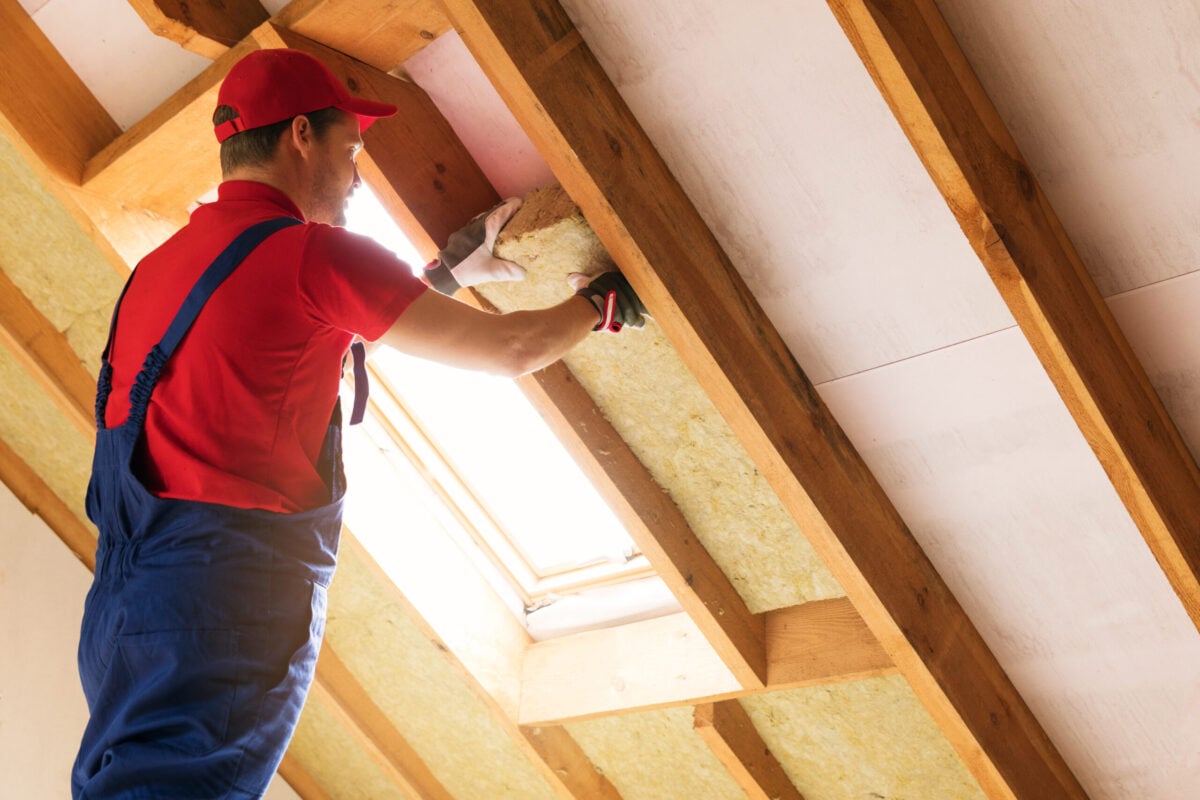
5 Best Types Of Roof Insulation For Your House
When it comes to keeping your home energy-efficient and comfortable year-round, few upgrades make as big of an impact as roof insulation. Beyond lowering utility bills, proper insulation helps regulate indoor temperatures, reduce noise, and extend the lifespan of your roof. In places like Elk Grove and surrounding areas, where temperatures can shift from hot summers to cool winters, the right insulation can make a noticeable difference in both comfort and energy performance.
If you’re planning a new roof installation or looking to improve your home’s efficiency, it’s important to understand how insulation works and which type best suits your property. For expert installation or replacement options, you can explore professional roofing services to find the right solution for your home.
Here’s what you’ll learn in this guide:
- Why roof insulation plays such an essential role in energy efficiency
- The most effective insulation materials and how they differ
- Factors to consider when choosing insulation for your roof type
- Tips for maintaining your roof’s insulation performance over time
Why Roof Insulation Matters
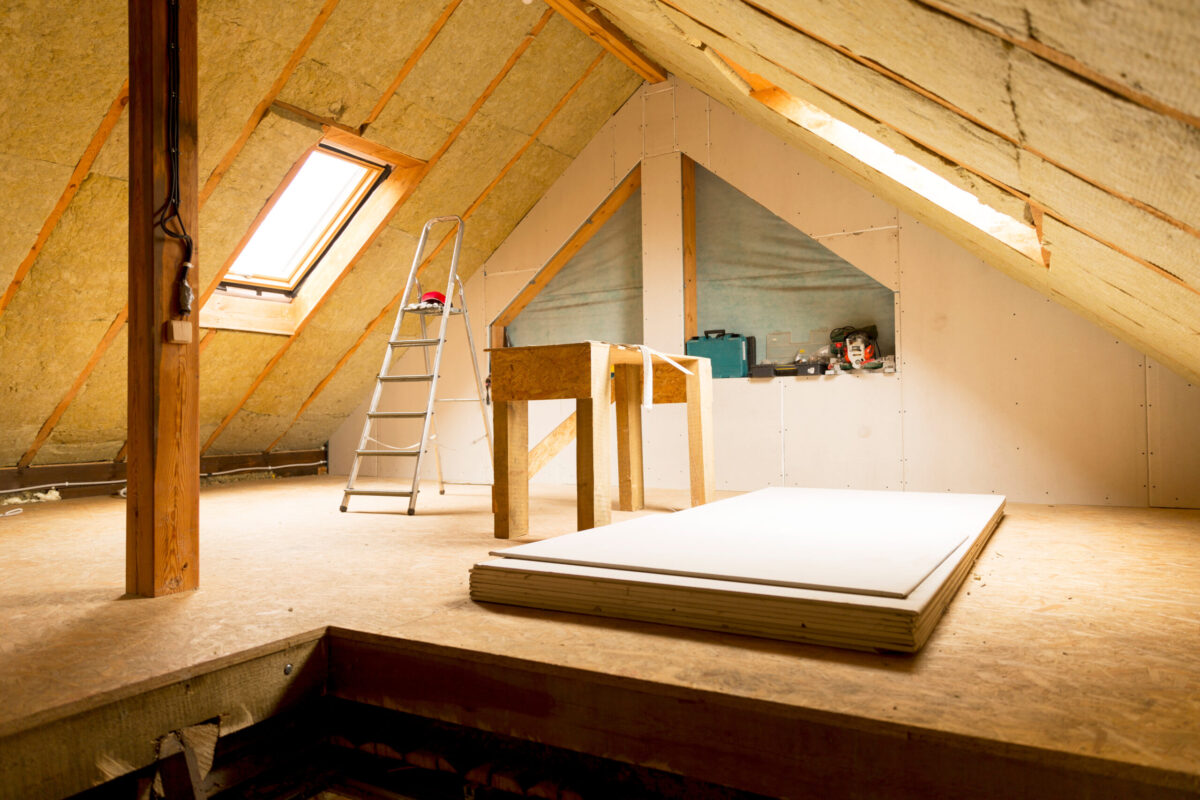
Your roof is one of the largest surfaces in your home and a major point of heat transfer. Without proper insulation, heat can easily escape during winter or penetrate your living spaces during summer. Over time, that constant energy loss leads to higher bills and greater strain on your HVAC system.
- Improved Energy Efficiency: Quality roof insulation reduces heat flow between your attic and living spaces, keeping your home cooler in summer and warmer in winter.
- Lower Energy Bills: With less demand on your air conditioner or furnace, you’ll notice measurable savings on monthly utilities.
- Enhanced Indoor Comfort: Proper insulation stabilizes indoor temperatures, eliminating drafts and hot spots throughout the home.
- Longer Roof Lifespan: Insulation prevents moisture buildup and temperature extremes that can warp or damage roofing materials over time.
- Environmental Impact: By reducing energy waste, you lower your home’s carbon footprint and contribute to a more sustainable community in Elk Grove and surrounding areas.
5 Best Types of Roof Insulation and Their Benefits
Each type of insulation offers unique strengths depending on your roof’s structure, climate, and budget. Below are the most effective options for residential roofing today.
1. Fiberglass Insulation
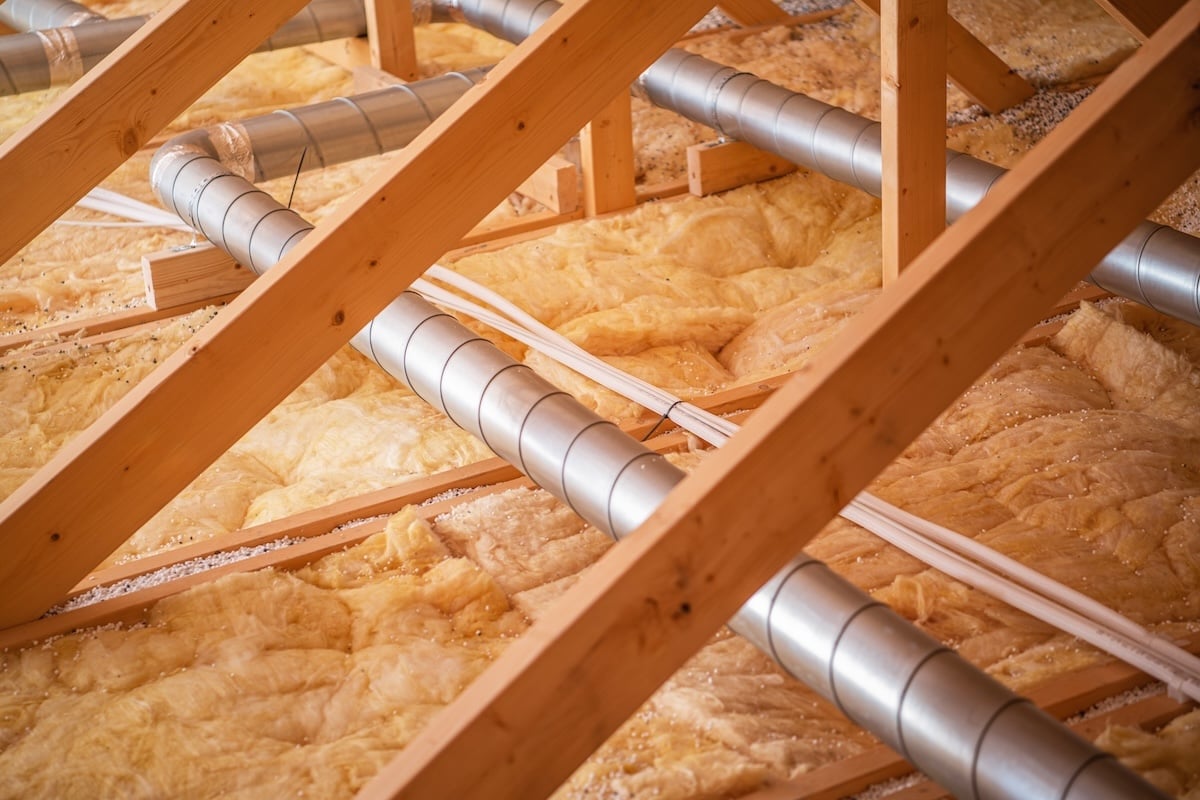
Fiberglass remains one of the most popular and widely available insulation materials for homes. Made from fine glass fibers, it provides excellent thermal resistance at an affordable cost.
Key advantages:
- Non-combustible and moisture-resistant
- Easy to install in attics and between rafters
- Available in batts, rolls, or loose-fill options
Fiberglass insulation is ideal for homes with accessible attic spaces and standard framing. However, proper installation is essential to avoid gaps or compression that can reduce effectiveness.
2. Spray Foam Insulation
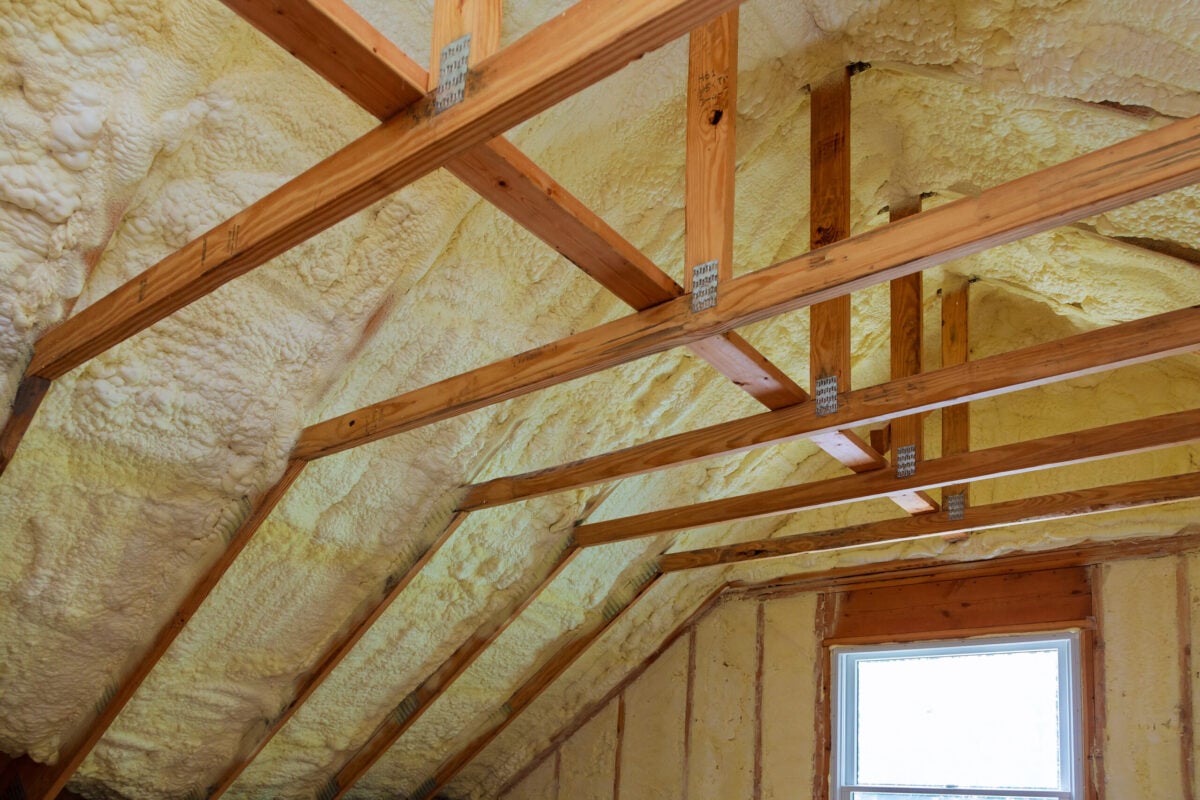
Spray foam insulation offers superior air sealing and thermal protection. It expands to fill small gaps, creating a continuous barrier that prevents air leaks.
Benefits include:
- Exceptional R-value per inch (thermal resistance)
- Moisture and mold resistance
- Effective soundproofing qualities
There are two main types of spray foam:
- Open-cell foam: Softer and more flexible, ideal for interior applications
- Closed-cell foam: Denser and stronger, suitable for exterior roofs or extreme climates
Because of its efficiency and performance, spray foam insulation is a premium option often chosen for new construction or full roof replacements.
3. Rigid Foam Board Insulation
Rigid foam boards—made from materials like polyisocyanurate (polyiso), expanded polystyrene (EPS), or extruded polystyrene (XPS)—provide consistent insulation in both residential and commercial settings.
Advantages include:
- High compressive strength for flat or low-slope roofs
- Excellent moisture resistance
- Ideal for use beneath roofing membranes or over sheathing
Rigid boards are often used in modern energy-efficient designs, helping homeowners in Elk Grove and surrounding areas achieve strong thermal protection without adding bulk.
4. Reflective (Radiant Barrier) Insulation
Reflective insulation, or radiant barrier insulation, works differently from traditional materials. Instead of slowing conductive heat transfer, it reflects radiant heat away from the home, making it perfect for hot climates.
Key highlights:
- Reduces attic temperatures by reflecting solar radiation
- Lightweight and easy to install
- Enhances existing insulation systems for added efficiency
Radiant barriers are especially effective when paired with fiberglass or foam insulation, helping homes maintain cooler indoor conditions during California’s peak summer months.
5. Cellulose Insulation
Made from recycled paper products treated with fire-retardant chemicals, cellulose insulation is an eco-friendly and cost-effective option for homeowners focused on sustainability.
Notable features:
- Excellent sound absorption and air sealing
- High recycled content
- Dense coverage for irregular or hard-to-reach spaces
Cellulose is often blown into attics or between wall cavities, filling gaps where traditional batts may not fit perfectly. Regular inspections are recommended to ensure the material stays dry and maintains its insulating properties.
Choosing the Right Roof Insulation for Your Home
The best type of insulation depends on your home’s structure, energy needs, and local climate. Each material offers unique benefits, but understanding your roof system and installation conditions ensures long-term performance.
Consider Roof Design:
Sloped roofs typically work well with fiberglass batts or spray foam, while flat roofs benefit from rigid foam boards that resist moisture and compression.
Evaluate Existing Conditions:
If you’re adding insulation to an older roof, it’s important to assess ventilation, moisture levels, and potential air leaks before installing new materials.
Focus on R-Value:
The R-value measures a material’s resistance to heat flow—the higher the number, the better the insulation. Your contractor can recommend the right R-value based on Elk Grove’s climate zone.
Budget and Longevity:
Fiberglass is affordable and reliable, while spray foam and rigid boards offer premium performance and longer-term energy savings.
Environmental Impact:
If sustainability matters to you, cellulose and certain foam boards (made with eco-friendly materials) can help reduce environmental impact without sacrificing efficiency.
Installation Tips and Best Practices
Proper installation ensures your insulation performs to its full potential. Even the best materials will fall short if applied incorrectly or left with gaps.
- Ensure Adequate Ventilation: Proper attic ventilation balances temperature and moisture, preventing condensation and mold growth. Ridge vents and soffit vents should remain unobstructed.
- Seal Air Leaks First: Before adding insulation, seal cracks around pipes, vents, and recessed lighting to prevent air loss.
- Avoid Compressing Insulation: Squashing batts or rolls reduces their effectiveness by limiting trapped air pockets.
- Protect Against Moisture: Use vapor barriers where necessary to prevent moisture from reaching insulation layers.
- Hire Trained Professionals: Experienced roofing contractors understand how to integrate insulation with roof design, ensuring balanced airflow and durability.
When insulation and ventilation work together, your roof system remains stable, efficient, and long-lasting—especially in varying California weather conditions.
Comparing Popular Roof Insulation Types
Below is a quick comparison of the most common roof insulation materials and their key characteristics:
| Type | Average R-Value (per inch) | Cost Level | Moisture Resistance | Lifespan | Ideal Application |
| Fiberglass | 2.2–2.9 | $ | Moderate | 20–30 years | Attics and rafters |
| Spray Foam (Closed-Cell) | 6.0–7.0 | $$$ | Excellent | 30–50 years | New roofs, sealed spaces |
| Rigid Foam Board | 4.0–6.5 | $$–$$$ | Excellent | 40–60 years | Flat or low-slope roofs |
| Reflective Barrier | N/A (reflective) | $–$$ | High | 25–30 years | Hot climates, attic overlays |
| Cellulose | 3.2–3.8 | $–$$ | Moderate | 20–30 years | Attics, retrofit projects |
This chart highlights how each option differs in performance, cost, and longevity. A local roofing expert can help you weigh these factors and select the material that fits your home and budget best.
Common Questions About Roof Insulation
Homeowners often have practical questions about insulating their roofs, especially when balancing energy efficiency with cost. Below are some of the most frequently asked questions.
How much insulation do I need in my attic?
The amount depends on your region’s climate and the R-value recommended by building codes. In most California homes, R-38 to R-60 is ideal for attics.
Can I add new insulation over existing materials?
In many cases, yes—but the existing insulation must be dry, clean, and properly installed. Mixing incompatible materials can reduce performance, so professional guidance is recommended.
Does roof insulation help reduce noise?
Yes. Insulation materials like fiberglass, cellulose, and spray foam also absorb sound, creating a quieter indoor environment.
Will insulation affect my roofing warranty?
Only if it’s installed improperly. When done correctly by licensed professionals, insulation upgrades won’t void your warranty and may even enhance your roof’s longevity.
How often should insulation be replaced?
Most insulation materials last 20–50 years depending on type and maintenance. Inspections every few years ensure it’s still performing efficiently.
Take the First Step Toward a More Efficient Home
For homeowners in Elk Grove and surrounding areas, roof insulation is one of the smartest investments you can make to enhance comfort, reduce energy waste, and protect your roof year-round. The right material—installed correctly—will deliver lasting results that save you money and create a healthier home environment.
If you’re ready to improve your home’s efficiency or plan a roofing upgrade, contact us today at Titan Roofing Solutions to schedule an estimate with a trusted local expert.

Comment (0)