

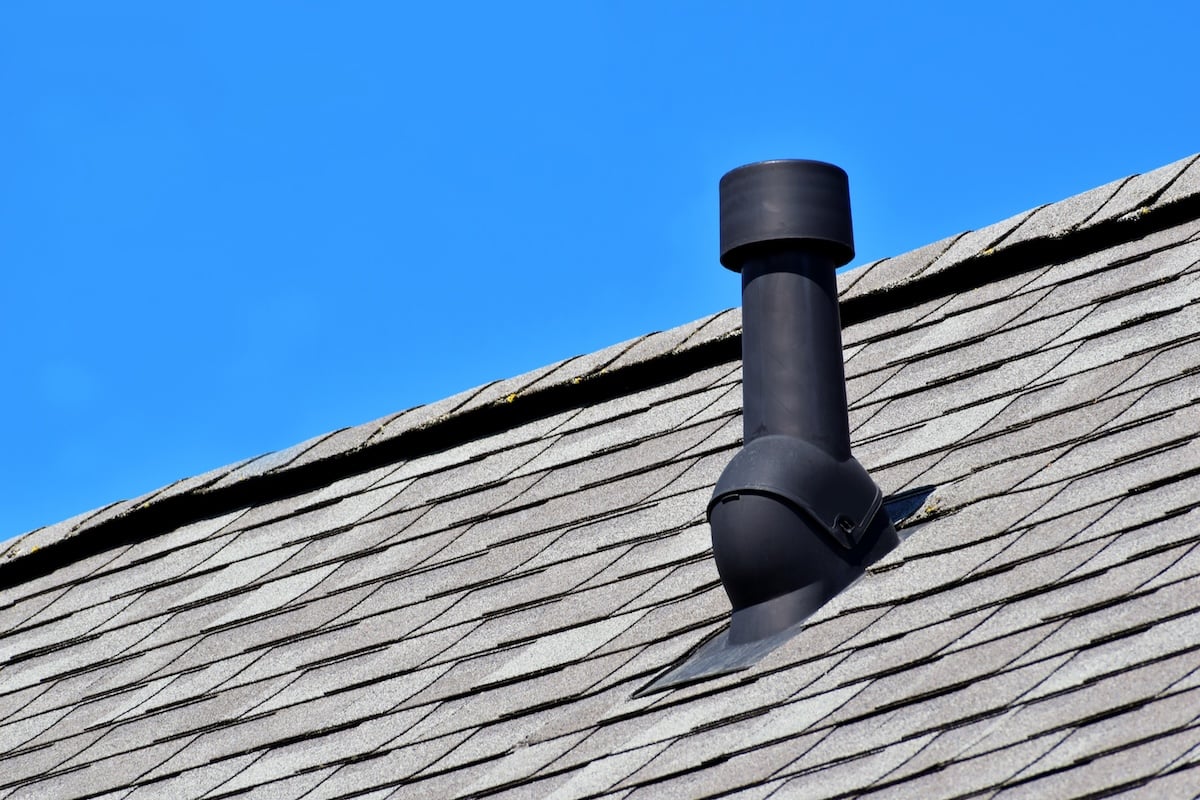
What Is Roof Ventilation? (Types, Benefits & More)
Understanding roof ventilation is essential for maintaining the health of your home’s roofing system and interior comfort. Effective ventilation ensures that your roof manages heat and moisture properly, which can extend its lifespan and improve energy efficiency. If you’re interested in enhancing your home’s roofing performance, exploring professional solutions through reliable roofing services can provide expert guidance tailored to your needs.
- Discover the importance and function of roof ventilation in home construction.
- Learn about common types of roof ventilation systems and their differences.
- Understand the key benefits ventilation brings to your roof and overall home health.
- Explore best practices and considerations for installing roof ventilation effectively.
- Get tips on how to maintain your roof ventilation system for long-lasting results.
Why Roof Ventilation Matters for Your Home
Roof ventilation plays a crucial role in balancing temperature and moisture levels in your attic and roofing structure. Without proper ventilation, heat can accumulate excessively during summer, and moisture can build up during winter, leading to costly damage or discomfort. Recognizing why roof ventilation is vital helps homeowners invest wisely in the right systems to protect their property.
- Temperature Regulation: Helps reduce attic heat buildup to lower cooling costs.
- Moisture Control: Prevents condensation damage and mold growth.
- Longevity of Roofing Materials: Protects shingles and wood from premature deterioration.
- Enhanced Energy Efficiency: Supports HVAC systems in maintaining comfortable indoor temperatures.
- Improved Indoor Air Quality: Limits allergens and pollutants trapped by excess moisture.
6 Types of Roof Ventilation Systems Explained
Choosing the appropriate roof ventilation system depends on factors such as roof design, local climate, and house size. Here are seven common types of roof ventilation options, each with unique features and advantages to consider:
1. Ridge Vents
Ridge vents run along the peak of a roof, allowing warm, humid air to escape from the attic continuously. They are highly effective for long roofs and blend unobtrusively with the roofline.
- Placement: Installed on the highest point of the roof ridge
- Benefits: Continuous airflow and low visibility
2. Soffit Vents
Located under the eaves, soffit vents allow fresh air to enter the attic space, which works in tandem with exhaust vents. Proper intake vents like soffits are critical for a balanced ventilation system.
- Placement: Underneath the roof overhangs (eaves)
- Benefits: Ensures constant fresh air intake
3. Gable Vents
Gable vents are usually installed on the end walls of a house, near the roof peak. They serve to exhaust hot and moist air outside but require cross ventilation with intake vents for efficiency.
- Placement: On the exterior walls at gable ends
- Benefits: Simple design, easy maintenance
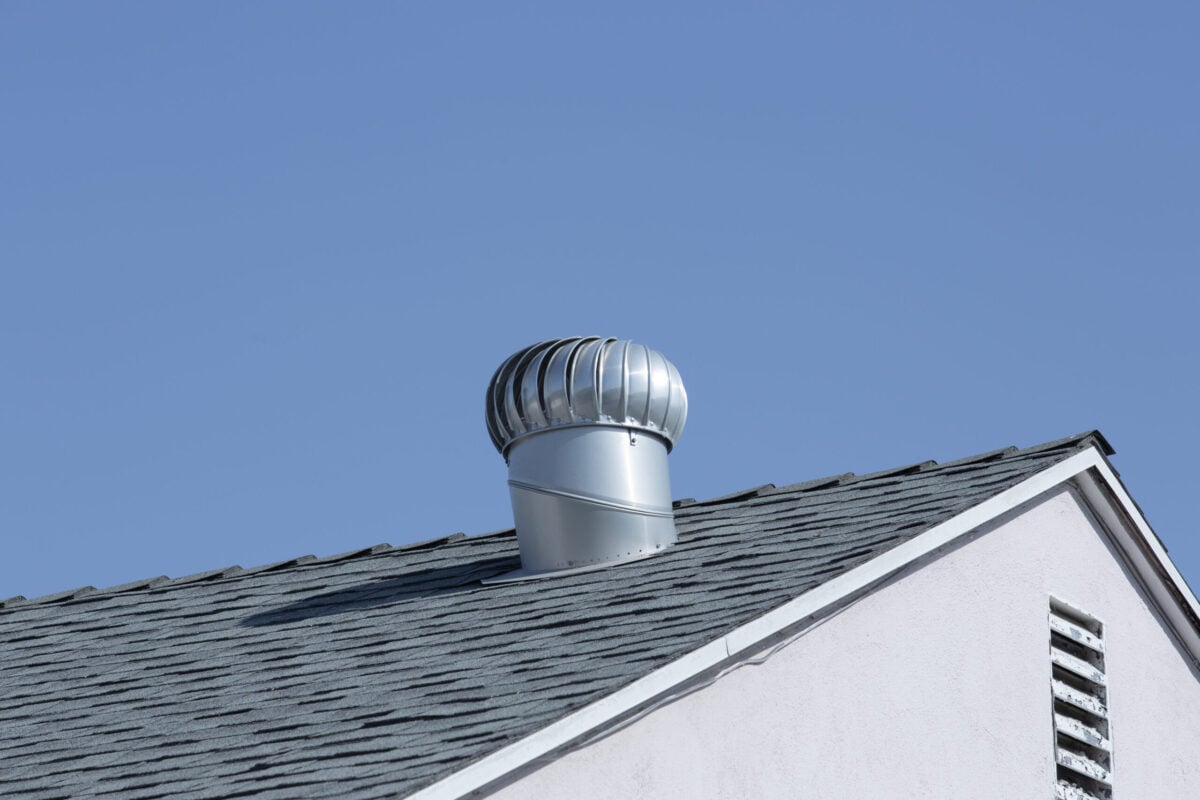
4. Turbine Vents
Also known as whirlybirds, turbine vents use wind power to suck hot air out of the attic. They are typically roof-mounted and spin to promote airflow.
- Placement: Roof surface
- Benefits: Wind-activated, energy-free operation
5. Power Vents (Electric or Solar)
Power vents use electric fans, sometimes solar-powered, to actively move air out of the attic. They are ideal where natural airflow is insufficient.
- Placement: Roof surface or gable end
- Benefits: Consistent ventilation regardless of weather
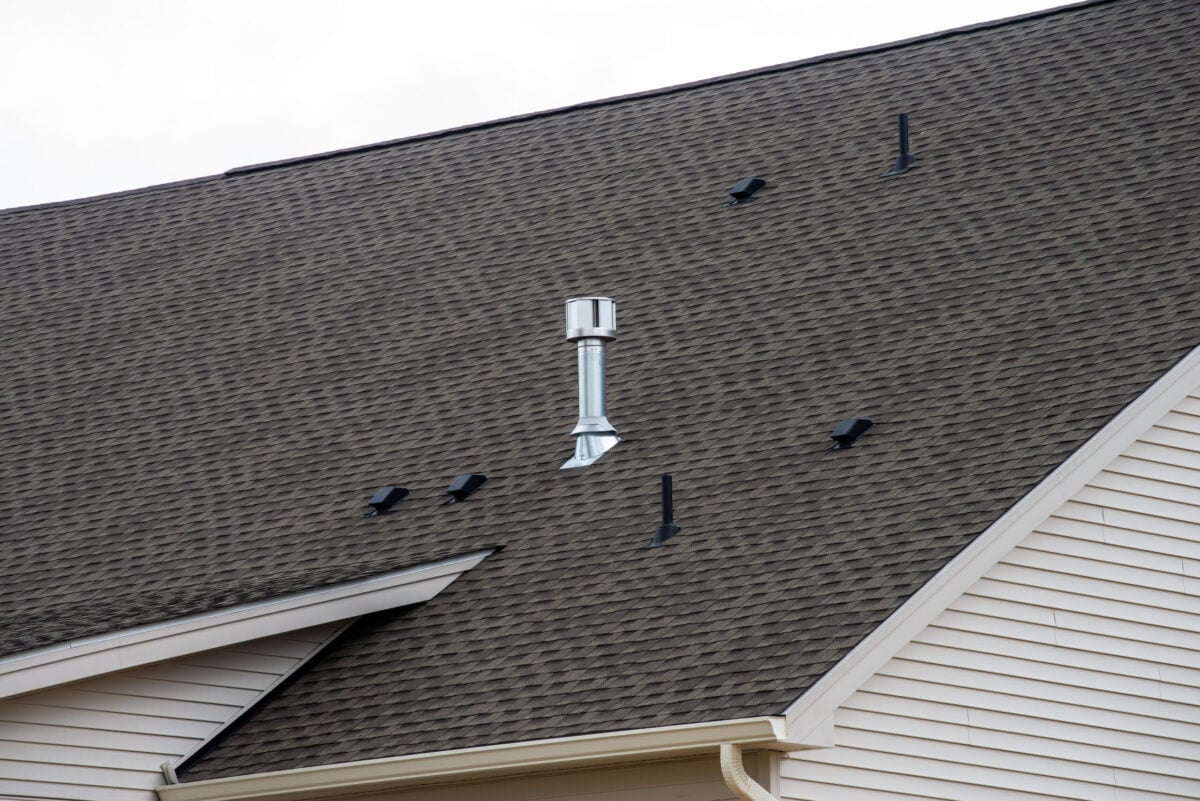
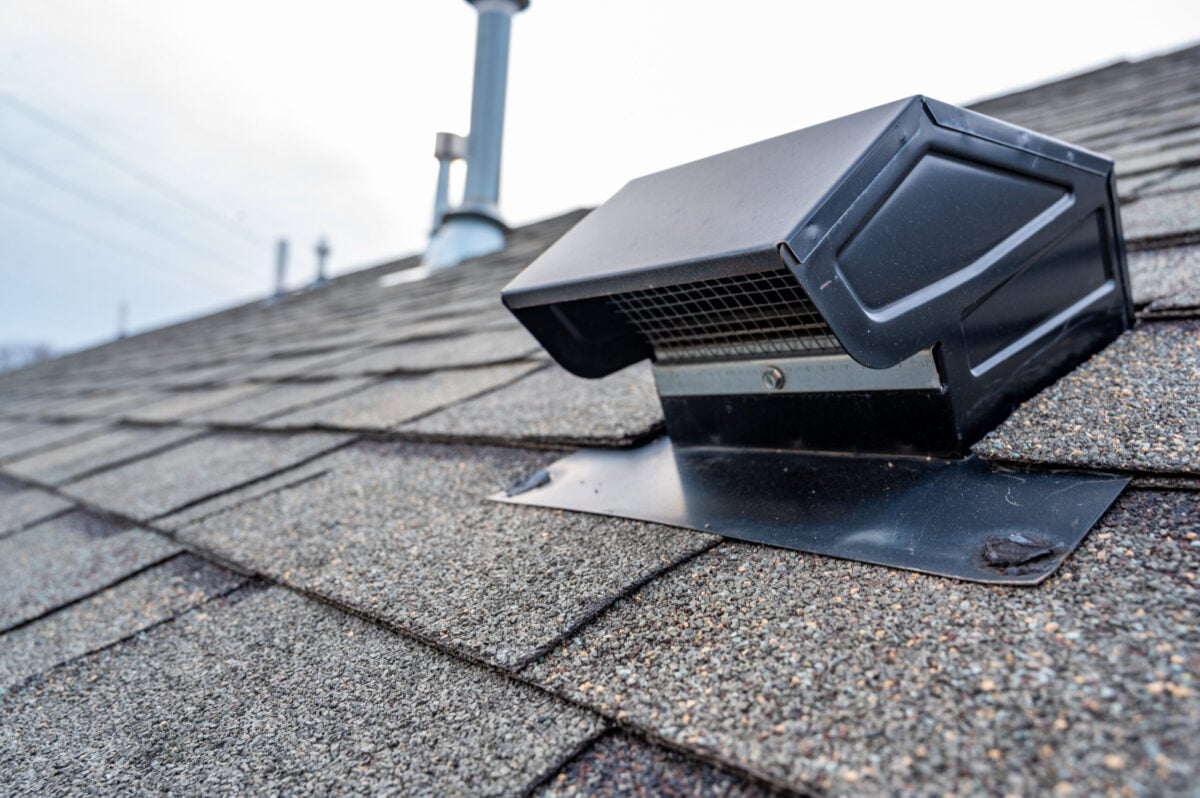
6. Box Vents
Box vents, also called static vents, are small, box-shaped vents mounted on the roof. They provide passive exhaust without moving parts.
- Placement: Scattered across roof surface
- Benefits: Low-cost installation, no maintenance
Key Benefits of Proper Roof Ventilation
Implementing sufficient and well-designed roof ventilation offers a variety of advantages beyond just protecting your roof. These benefits impact energy usage, indoor air quality, and property maintenance costs.
- Prevents Ice Dams: Maintains cold roof deck to avoid snow melting and refreezing.
- Reduces Cooling Costs: Releasing hot attic air reduces the load on air conditioning systems in warmer months.
- Prevents Wood Rot and Mold: Controls moisture so wooden components and insulation remain dry and intact.
- Extends Shingle Life: Excess heat speeds shingle deterioration; ventilation minimizes this risk.
- Improves Attic Comfort: Helps keep temperature stable for stored belongings or finished attic spaces.
Best Practices for Roof Ventilation Installation and Maintenance
To maximize roof ventilation benefits, homeowners need to pay attention to correct installation and ongoing maintenance. Inadequate setups or clogged vents compromise performance and may cause damage over time.
Regular Cleaning and Inspection
Ensure vent openings are free of debris, bird nests, or dust buildup that can block airflow. A semi-annual inspection is recommended, especially after storms or high winds.
Maintaining Balanced Ventilation
The best systems provide both intake and exhaust airflow. Avoid installing only exhaust vents without intake as it can create negative pressure causing moisture problems.
Upgrade Aging Systems
Older homes often have insufficient or outdated ventilation. Upgrading to modern ridge and soffit vents can significantly enhance performance and energy savings.
Address Insulation Alongside Ventilation
Proper attic insulation complements ventilation by controlling heat transfer. Consult with roofing professionals to evaluate both aspects together.
Professional Installation Guidance
While some ventilation upgrades can be DIY projects, complex roofs or extreme weather conditions benefit from expert installation to ensure compliance with building codes.
Frequently Asked Questions About Roof Ventilation
- How much ventilation does my roof need? The rule of thumb is 1 square foot of ventilation for every 150 square feet of attic space, balanced evenly between intake and exhaust.
- Can I install roof vents myself? Basic vents can be installed by experienced homeowners, but professional help is advised for complex systems or ensuring airtight sealing.
- Does ventilation reduce energy bills? Yes, by minimizing heat buildup, your HVAC system works less, potentially lowering cooling costs.
- Will ventilation help with ice dams? Proper attic ventilation keeps the roof deck cold and reduces ice dam formation in snowy climates.
- What signs indicate poor roof ventilation? Look for warped shingles, musty odors, condensation, or excessive attic heat as warning signals.
Ensuring Your Roof Performs at Its Best
Proper roof ventilation is fundamental to preserving your home’s roofing integrity, comfort, and energy efficiency. By understanding the types, benefits, and maintenance tips discussed, you can make informed decisions to safeguard your property. To explore custom roofing ventilation solutions or get professional assistance, contact us today at Titan Roofing Solutions. We serve [City Name] and surrounding areas with expert roofing expertise tailored to your home’s unique needs.


Comments 34
https://gay0day.com
Good perspective. Modern adult platforms feel very distinct from old-school ones
my homepage … https://gay0day.com
https://squirting.world/videos/4950/nyrieux-pretty-pussy-play/
Appreciate the insights. It aligns with what I’ve
seen on curated adult content platforms
Here is my website … https://squirting.world/videos/4950/nyrieux-pretty-pussy-play/
https://thetranny.com/videos/93858/couple-worships-shemale-bbc/
Thanks for the insights. It aligns with what I’ve noticed on focused adult content platforms
Here is my blog: https://thetranny.com/videos/93858/couple-worships-shemale-bbc/
https://squirting.world/categories/public/
Liked reading this. It shows why certain adult video platforms feel more refined
My website – https://squirting.world/categories/public/
https://xlilith.com/videos/4358/real-lesbians-couple-scissoring-and-grinding-their-pussies-full-video-on-my-onlyfans/
Appreciate this post. It reflects what I look
for when browsing well-made 18+ video platforms
Also visit my website: https://xlilith.com/videos/4358/real-lesbians-couple-scissoring-and-grinding-their-pussies-full-video-on-my-onlyfans/
https://thetranny.com/videos/51259/thai-tgirl-pickup-in-pink-panites/
Solid read. I’ve seen similar patterns on new 18+ video sites that focus on usability
My homepage :: https://thetranny.com/videos/51259/thai-tgirl-pickup-in-pink-panites/
https://zeenite.com/fr/videos/4955/nathalie-45ans-maman-cougar-portugaise-se-fait-sodomiser-par-un-jeune/
Nice read. Some adult video platforms are clearly putting more effort into user experience
Here is my web site; https://zeenite.com/fr/videos/4955/nathalie-45ans-maman-cougar-portugaise-se-fait-sodomiser-par-un-jeune/
https://squirting.world/videos/56450/squirting-sienna-grace-huge-ass-bbl-pov-loves-bwc/
Solid insights here. Design definitely affects how long users
stay on adult platforms
My web-site https://squirting.world/videos/56450/squirting-sienna-grace-huge-ass-bbl-pov-loves-bwc/
https://xlilith.com/videos/52733/enema-swallow-top-girls-and-xxl-liters-of-enema/
This was useful. It shows why certain adult sites feel easier to use
Feel free to visit my web site https://xlilith.com/videos/52733/enema-swallow-top-girls-and-xxl-liters-of-enema/
https://thetranny.com/videos/121443/shemale-selfsuck-compilation/
This was helpful. It shows why certain adult sites feel easier to use
My site :: https://thetranny.com/videos/121443/shemale-selfsuck-compilation/
https://xlilith.com/videos/7955/lesbian-kitchen-pee/
Interesting article. Quality-driven 18+ video sites definitely stand out today
my web site :: https://xlilith.com/videos/7955/lesbian-kitchen-pee/
https://squirting.world/tags/solo-squirt/
Good read. I’ve noticed similar patterns on new 18+ video
sites that prioritize usability
My homepage – https://squirting.world/tags/solo-squirt/
https://twinkporn.one/search/elliot-mars/
This was useful. It explains why certain adult sites
feel easier to use
my web blog – https://twinkporn.one/search/elliot-mars/
https://thetranny.com/search/first-time-escort/
Good points here. Some adult video sites are
clearly becoming more polished and professional
Also visit my webpage … https://thetranny.com/search/first-time-escort/
https://xlilith.com/videos/28177/mz-dani-and-mone-devine-take-turns-riding-lissa-aires-face-strap-on/
Clearly explained. Ease of use is becoming more important
even in adult content niches
Look into my blog post https://xlilith.com/videos/28177/mz-dani-and-mone-devine-take-turns-riding-lissa-aires-face-strap-on/
https://gay0day.com/categories/straight/
Good read. I’ve noticed the same improvements on several 18+ video platforms
My blog post; https://gay0day.com/categories/straight/
https://twinkporn.one/videos/9328/asian-white-teen-gaysex-raw-bareback-the-twink-bottom-asshole-in-alone-room-big-bangla-desi-boysex-indian-hunk-lund/
This article resonates. Structure really matters on adult video
websites
Look into my homepage – https://twinkporn.one/videos/9328/asian-white-teen-gaysex-raw-bareback-the-twink-bottom-asshole-in-alone-room-big-bangla-desi-boysex-indian-hunk-lund/
https://gay0day.com/videos/235681/sucked-my-straight-friend-when-he-is-gaming/
This was useful. A well-organized platform
really affects how people experience adult content
Have a look at my website: https://gay0day.com/videos/235681/sucked-my-straight-friend-when-he-is-gaming/
https://zeenite.com/fr/videos/75368/married-woman-takes-a-hitchhiker-he-pulls-out-his-cock-without-embarrassment-and-spits-full-of-cum/
Thoughtful article — it actually connects well with what I’ve noticed on some modern 18+ video platforms lately
my web page; https://zeenite.com/fr/videos/75368/married-woman-takes-a-hitchhiker-he-pulls-out-his-cock-without-embarrassment-and-spits-full-of-cum/
https://hentai0day.com/videos/10156/insatiable-couple-having-sex-in-love-motel-hentai-hard-sex/
Good points here. Some adult video sites are clearly becoming more refined
and professional
Here is my website: https://hentai0day.com/videos/10156/insatiable-couple-having-sex-in-love-motel-hentai-hard-sex/
https://hentai0day.com/videos/19684/hentai-girls-fuck-and-suck-huge-cock/
Good insights here. Presentation definitely affects how
long users stay on adult platforms
My blog: https://hentai0day.com/videos/19684/hentai-girls-fuck-and-suck-huge-cock/
https://gay0day.com/videos/178501/39-pulsating-cocks/
This was useful. It explains why certain adult sites feel easier to use
Also visit my web site :: https://gay0day.com/videos/178501/39-pulsating-cocks/
https://zeenite.com/videos/26925/christy-marks-biggest-bazookas-mother-i-d-like-to-fuck-titfucks-a-large-wang/
This topic is underrated. Even adult sites benefit a lot from thoughtful structure
my site https://zeenite.com/videos/26925/christy-marks-biggest-bazookas-mother-i-d-like-to-fuck-titfucks-a-large-wang/
https://twinkporn.one/videos/2838/adorable-twinks-conner-bradley-and-timo-garrett-have-anal-sex/
Good points. Navigation really makes a difference on adult video websites
My blog: https://twinkporn.one/videos/2838/adorable-twinks-conner-bradley-and-timo-garrett-have-anal-sex/
https://twinkporn.one/videos/11055/amateur-friends-meet-outdoor-for-a-footjob-and-gay-fun/
Enjoyed reading this. It shows why certain adult video platforms feel more refined
Also visit my homepage … https://twinkporn.one/videos/11055/amateur-friends-meet-outdoor-for-a-footjob-and-gay-fun/
https://gay0day.com/videos/68674/teen-boy-gets-fucked-first-time-on-18th-birthday/
Good insights here. Presentation definitely affects how long users stay on adult platforms
Look into my blog post – https://gay0day.com/videos/68674/teen-boy-gets-fucked-first-time-on-18th-birthday/
https://big-cock-gang-bang.info
Good article. Well-made 18+ video sites definitely stand
out today
Also visit my website; https://big-cock-gang-bang.info
https://hentai0day.com/videos/1828/tentacle-and-witches-3/
Thoughtful article — it actually connects well with what I’ve noticed on some modern 18+
video platforms lately
my web page https://hentai0day.com/videos/1828/tentacle-and-witches-3/
https://hentai0day.com/videos/19933/willow-harper-college-student-fucks-her-tutor-and-gym-instructor/
Good article. It shows why I prefer well-organized 18+ video platforms
My page https://hentai0day.com/videos/19933/willow-harper-college-student-fucks-her-tutor-and-gym-instructor/
https://smokinjacksbarbque.com
Nice read. Some adult video platforms are clearly
investing more in user experience
Visit my blog post … https://smokinjacksbarbque.com
https://big-tits-fuck.info
Thanks for this post. It matches what I value when browsing quality 18+ video
platforms
Feel free to surf to my blog :: https://big-tits-fuck.info
https://straightsforgayrights.com
Good article — it actually lines up with what I’ve seen on some newer 18+ video platforms
lately
Feel free to surf to my website … https://straightsforgayrights.com
https://zeenite.com/fr/videos/23175/mother-teaches-son-to-masturbate/
Appreciate this post. It reflects what I value when browsing well-made 18+ video platforms
My web-site: https://zeenite.com/fr/videos/23175/mother-teaches-son-to-masturbate/
https://live-nude.info
Thanks for the insights. It matches what I’ve seen on focused adult content platforms
Here is my web blog :: https://live-nude.info