

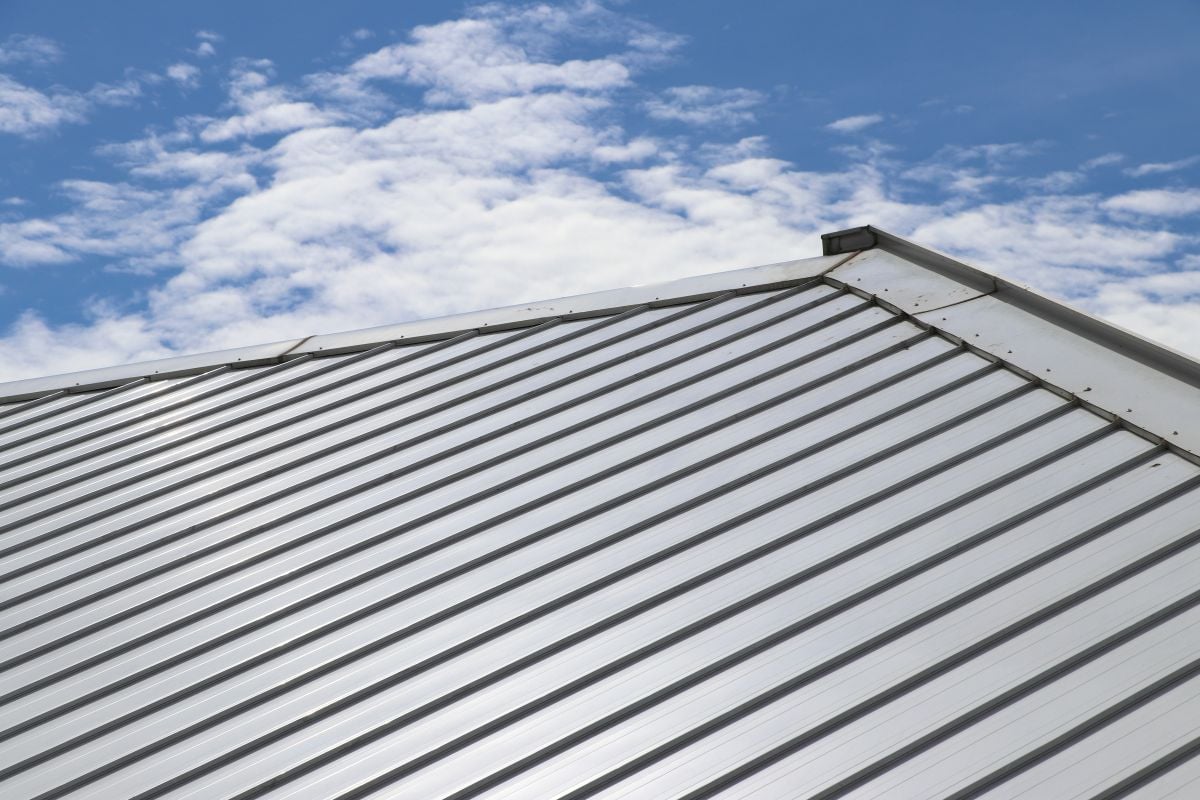
6 Most Simple Ways To Cut Metal Roofing (Step-By-Step)
Cutting metal panels may look straightforward, but doing it incorrectly can damage materials, compromise safety, and affect your roof’s performance. If you are researching how to cut metal roofing, it is important to understand the right tools, techniques, and safety precautions before making a single cut. Whether you are tackling a small repair or planning a larger project in Folsom and surrounding areas, knowing the basics can save time and prevent costly mistakes. For professional installation guidance and options, explore durable metal roofing systems designed for long term performance.
In this guide, you will learn:
- Why proper cutting techniques matter for roof performance
- The safest and most effective tools to use
- Step by step instructions for cutting metal roofing panels
- Common mistakes homeowners should avoid
- When it is best to call a professional roofing contractor
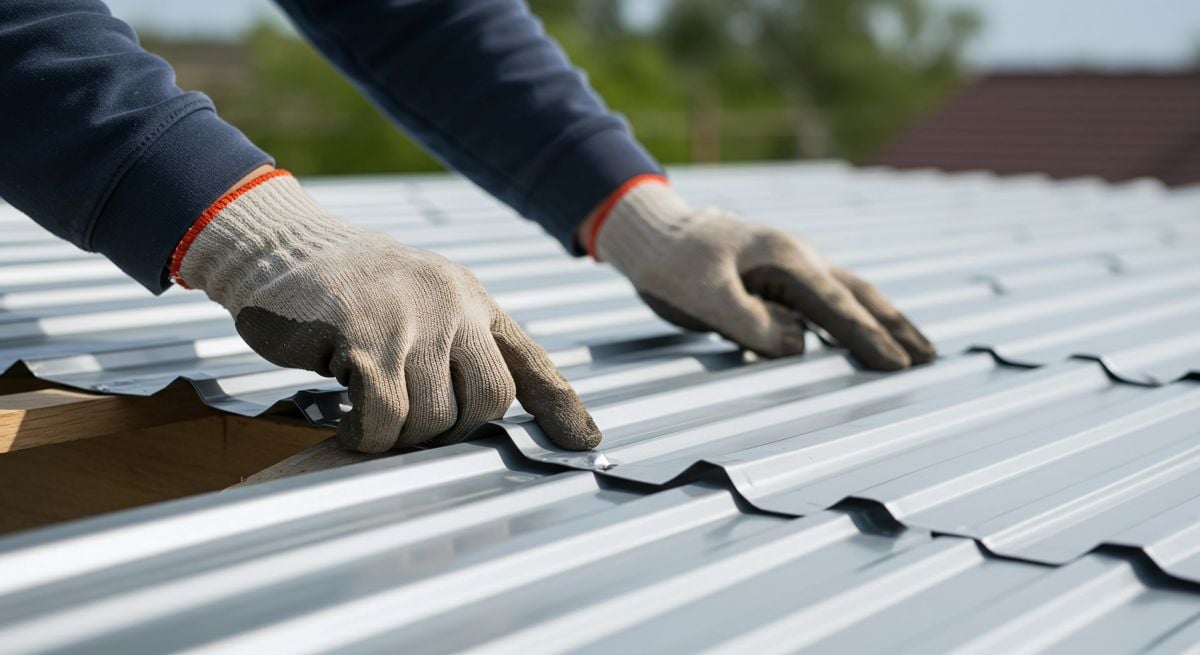
Why Properly Cutting Metal Roofing Matters
Metal roofing is engineered for durability and weather resistance, but improper cutting can compromise protective coatings and structural integrity. Clean, precise cuts help maintain performance, aesthetics, and manufacturer warranties.
For homeowners in Folsom and surrounding areas, where intense sun and seasonal weather shifts test roofing systems, accuracy during installation or repair is critical.
Here is why learning correct cutting methods is important:
- Protects Corrosion Resistance: Clean cuts reduce the risk of rust by preserving protective coatings.
- Ensures Proper Fit: Accurate measurements and cuts allow panels to align correctly along ridges, valleys, and edges.
- Maintains Structural Integrity: Poor cutting techniques can warp panels or weaken seams.
- Improves Appearance: Smooth edges create a professional, finished look without jagged lines.
- Reduces Material Waste: Careful planning and cutting prevent unnecessary damage and wasted panels.
Metal roofing is an investment. Taking time to cut panels properly protects that investment for years to come.
6 Step: Most Simple Ways To Cut Metal Roofing
Before starting any project, gather appropriate safety gear including gloves, eye protection, long sleeves, and hearing protection when using power tools. Always measure twice before making a cut.
Below are practical and commonly used methods homeowners rely on.
1. Measure and Mark Accurately
Precision starts long before you turn on a tool. Proper measurements prevent uneven panel placement and minimize waste.
Use a tape measure and straight edge to mark your cut line clearly with a permanent marker or grease pencil. When marking:
- Double check measurements from both ends
- Account for panel overlap where applicable
- Confirm alignment with roof pitch and layout
Accurate marking ensures the finished roof maintains clean lines and proper water runoff.
2. Use Tin Snips for Small Cuts
Tin snips are one of the simplest tools for cutting thinner metal roofing panels. They work well for short cuts, trimming corners, or cutting around vents.
There are three main types:
- Left cutting snips
- Right cutting snips
- Straight cutting snips
For small adjustments, tin snips offer strong control and reduce the risk of damaging protective coatings. They are ideal for detail work rather than long, straight cuts.
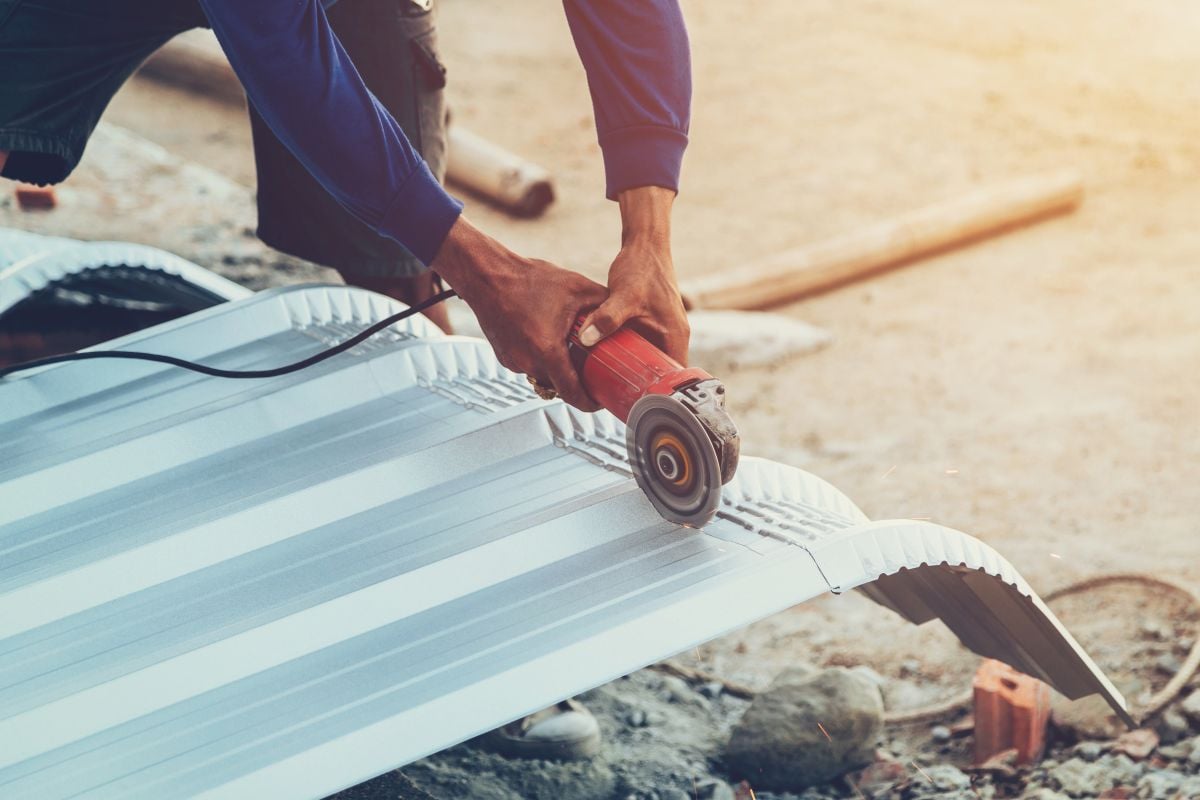
3. Use A Circular Saw With A Metal Cutting Blade
For long, straight cuts across full panels, a circular saw fitted with a metal cutting blade is often the most efficient option.
When using a circular saw:
- Choose a blade specifically designed for metal
- Secure the panel firmly before cutting
- Cut slowly and steadily to maintain control
- Wear hearing and eye protection
Some blades are designed to produce fewer sparks, which helps preserve the panel’s finish. Always cut in a well ventilated area.
4. Try A Nibbler Tool For Clean Edges
Nibblers are specialized tools that remove small sections of metal as they move along the cut line. They are excellent for curved cuts or irregular shapes.
Advantages of nibblers include:
- Minimal heat buildup
- Clean edges without distortion
- Reduced risk of coating damage
Although nibblers may require a higher upfront cost, they provide precise results and are commonly used by roofing professionals.
5. Use A Metal Shear Attachment
Electric shears or drill mounted shear attachments offer a balance between speed and precision. They cut through metal roofing panels quickly without producing excessive sparks.
These tools are particularly useful when:
- Cutting multiple panels
- Working on thicker gauge metal
- Completing longer, straight cuts
Electric shears also help reduce edge warping compared to abrasive blades.
6. Smooth and Seal Cut Edges
After cutting, inspect the edge for burrs or rough spots. Use a metal file to smooth sharp edges and remove small fragments.
It is also recommended to:
- Wipe away metal shavings immediately
- Apply touch up paint if recommended by the manufacturer
- Ensure no debris remains on the roof surface
Metal shavings left on panels can rust and stain the surface over time.
Choosing the Right Tool for Your Project
Not every cutting method is suitable for every situation. Selecting the correct tool depends on panel thickness, cut type, and project scope.
Here is a simplified comparison:
| Tool | Best For | Pros | Cons |
| Tin Snips | Small trims and detail cuts | Affordable, precise control | Slow for long cuts |
| Circular Saw | Long straight cuts | Fast and efficient | Noisy, may produce sparks |
| Nibbler | Curved or intricate cuts | Clean edges, minimal heat | Higher cost |
| Electric Shears | Medium to long cuts | Smooth results, efficient | Requires power source |
For homeowners in Folsom and surrounding areas tackling small projects, tin snips or shear attachments may be sufficient. Larger installations often require professional grade tools.
Safety Tips When Cutting Metal Roofing
Working with metal panels requires careful attention to safety. Sharp edges and power tools can pose serious risks without proper precautions.
Wear Protective Gear
Always use:
- Heavy duty gloves
- Safety glasses
- Long sleeves
- Closed toe footwear
Hearing protection is also recommended when using power saws.
Work on Stable Surfaces
Never attempt to cut metal roofing panels while they are loosely positioned or unstable. Secure panels on sawhorses or a flat work surface before cutting.
If working on the roof itself, ensure you have:
- Proper fall protection
- Stable ladder placement
- Dry weather conditions
Avoid Overheating the Metal
Excessive heat from abrasive blades can damage protective coatings. This increases the risk of corrosion over time.
Choose cutting tools designed specifically for roofing materials to prevent unnecessary heat buildup.
Common Mistakes to Avoid
Even experienced DIY homeowners can make errors when cutting metal roofing. Avoiding these common mistakes helps protect both your roof and your safety.
Using the Wrong Blade
Standard wood cutting blades are not suitable for metal panels. They can damage the material and create dangerous kickback.
Always use manufacturer recommended blades designed for metal.
Ignoring Metal Shavings
Small metal fragments left behind after cutting can rust and stain the roof surface.
Immediately sweep or wipe away debris to preserve the appearance of your roof.
Skipping Measurements
Rushing through measurements often results in uneven panel alignment or gaps that compromise waterproofing.
Measure carefully and confirm alignment before making any cuts.
Walking Carelessly on Panels
Improper foot placement can dent or distort panels. Step carefully and follow manufacturer guidelines when accessing the roof.
When to Call a Professional
While learning how to cut metal roofing can be helpful for minor repairs, larger installations often require professional expertise. Metal roofing systems must be installed correctly to perform effectively.
Homeowners in Folsom and surrounding areas should consider professional assistance when:
- Replacing an entire roof
- Working on steep slopes
- Cutting panels around multiple penetrations
- Unsure about structural requirements
Professional contractors have specialized tools, safety training, and experience to ensure your roof performs as intended.
Improper installation can void warranties and lead to costly repairs later. Investing in professional service often provides long term savings and peace of mind.
Planning for Long Term Performance
Cutting panels correctly is only one part of a successful metal roofing system. Proper installation techniques, secure fastening, and ventilation planning all contribute to durability.
A professionally installed metal roof can last 40 to 70 years or more with proper care. Routine inspections and maintenance help identify small issues before they escalate.
In Folsom and surrounding areas, where sun exposure can be intense, high quality coatings and precise installation help maximize performance and energy efficiency.
Protect Your Investment With Expert Guidance
Understanding how to cut metal roofing empowers homeowners to approach small repairs with greater confidence. Accurate measurements, proper tools, and strong safety practices are essential for achieving clean, professional results. However, metal roofing is a long term investment that deserves careful attention and expertise.
If you are planning a new installation or need expert assistance with repairs in Folsom and surrounding areas, Titan Roofing Solutions is here to help. Our experienced team ensures every panel is measured, cut, and installed for maximum durability and performance. For reliable service and professional results, contact us today and let Titan Roofing Solutions protect your home with confidence and precision.
Comment (0)