

Average Cost To Tear Off and Replace Roof: Is It Worth It?
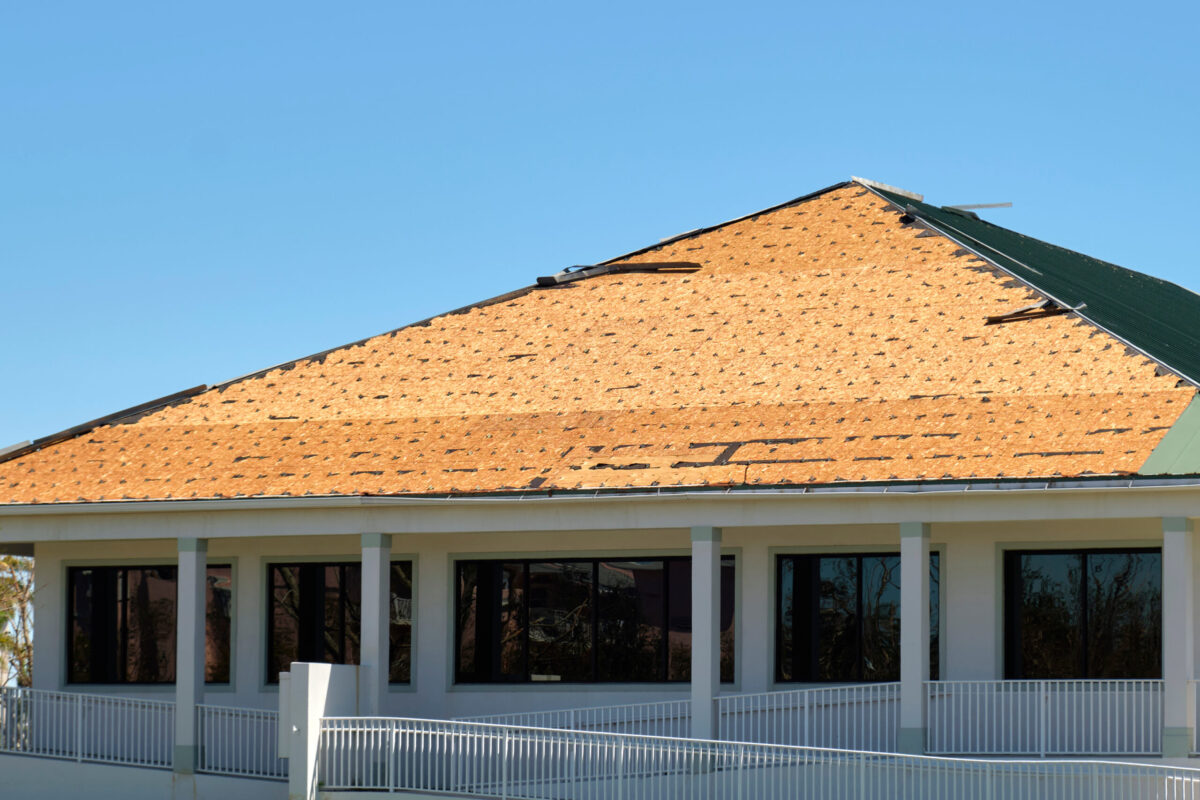
When it comes to maintaining your home, understanding the average cost to tear off and replace roof is crucial for making informed decisions. Roof replacement is a major investment that can protect your property and improve its value. If you’re curious about the financial implications and benefits of this essential home improvement, you can find professional assistance for roof tear off services. This guide will help you explore the key factors affecting roof replacement costs and determine whether it’s a worthwhile expenditure.
- Key components that influence roof replacement pricing
- Step-by-step breakdown of the roof tear-off and replacement process
- Long-term advantages of investing in roof replacement
- How to plan your budget and avoid common pitfalls
- Essential tips for choosing a roofing contractor
Understanding Why Roof Replacement Costs Matter
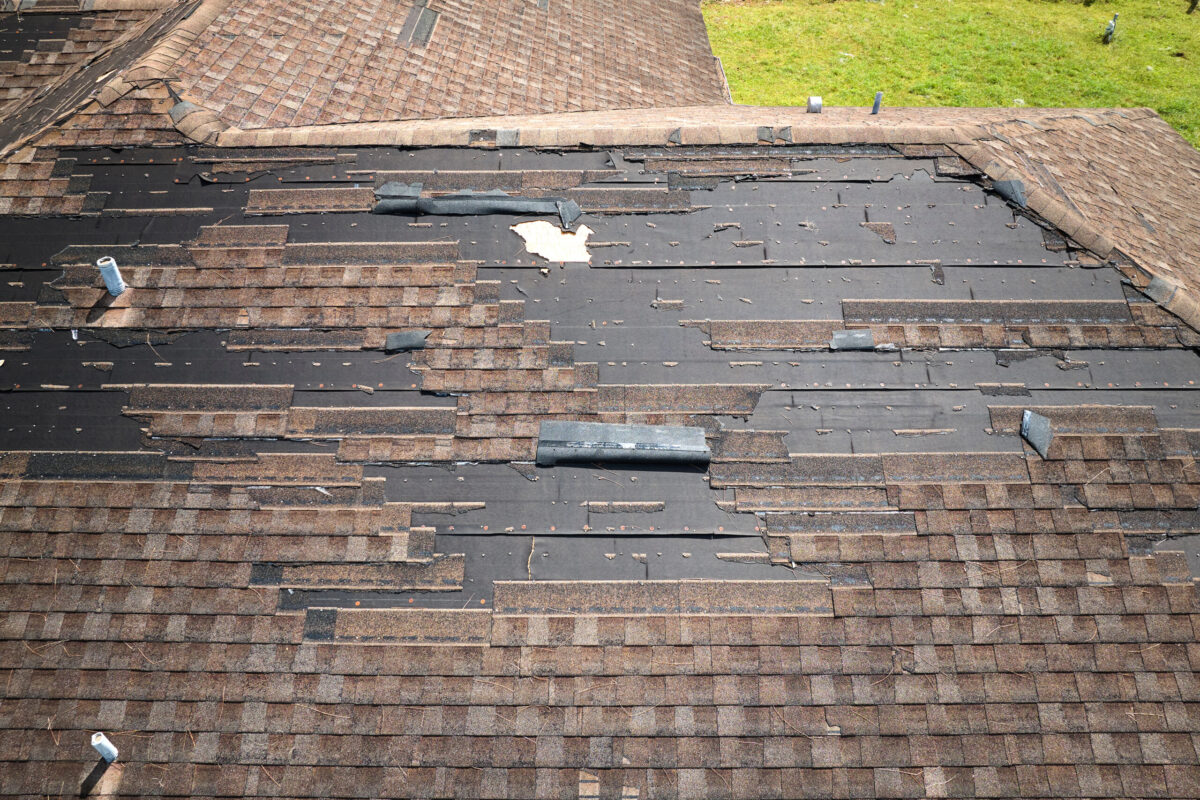
Accurately estimating the cost to tear off and replace a roof is imperative for budgeting and preventing unexpected expenses. Many homeowners underestimate how extensive the work involved can be, or how the quality of materials influences the final price. Properly anticipating these factors can ensure you get the best value for your investment while safeguarding your home’s integrity.
- Material Quality: Different roofing materials come with varying prices and lifespans.
- Labor Expenses: Skilled labor costs can fluctuate based on region and project complexity.
- Roof Size and Pitch: Larger or steeper roofs require more resources and time.
- Removal of Old Roofing: The tear-off process adds to the total cost and complexity.
- Additional Repairs: Substrate or structural issues found during replacement may increase the expense.
7 Key Factors Affecting the Average Cost to Tear Off and Replace a Roof
Several considerations contribute to the overall cost of a roof replacement project. Understanding each one can help you anticipate an accurate budget and make well-informed choices regarding your roofing investment.
1. Roof Size and Complexity
The total square footage of the roof is directly proportional to the material and labor needed. Complexities such as multiple layers, dormers, chimneys, and skylights add to the challenge, increasing labor time and costs.
- Size Impact: Larger roofs require more shingles, underlayment, and disposal of old materials.
- Design Challenges: Intricate roof shapes need more precise workmanship.
2. Type and Quality of Roofing Materials
Common roofing materials range from asphalt shingles to metal, slate, and tile. Asphalt shingles are generally the most affordable, while premium options like slate cost significantly more. The lifespan and maintenance needs also vary.
- Asphalt Shingles: Cost-effective and widely used.
- Metal Roofing: Durable but often higher upfront cost.
- Slate and Tile: High-end, long-lasting options.
3. Tear-Off and Disposal Costs
Removing the old roof involves labor and landfill fees. Multiple layers will increase both complexity and waste volume. Proper disposal is essential to comply with local regulations.
- Single Layer Removal: Less expensive and quicker to complete.
- Multiple Layer Removal: More labor-intensive and costly disposal fees.
4. Roof Deck Repair and Replacement
Once the old roofing is removed, the deck underneath must be inspected for damage. Damaged or rotted decking needs to be repaired or replaced, which adds to labor and material costs.
- Inspection: Essential to uncover hidden damage.
- Repair Costs: Can vary widely depending on the extent of damage.
5. Geographical Location and Labor Rates
Where you live affects labor charges and material availability. Regions with higher costs of living usually have increased pricing for roofing work. Weather conditions also play a role in project scheduling and costs.
- Regional Cost Variability: Understand local market trends.
- Seasonal Considerations: Certain seasons may be more expensive for roofing.
6. Permits and Building Codes
Securing necessary permits and complying with local building codes will influence costs. This paperwork ensures your new roof meets all safety and performance standards.
- Permit Fees: Varies by jurisdiction.
- Code Compliance: May require upgraded materials or additional work.
7. Contractor Experience and Warranty Options
Choosing an experienced roofing contractor can affect both cost and quality. Contractors offering extended warranties might charge more upfront but can save money over time through ensured durability.
- Experience Level: Skilled installers can reduce mistakes and delays.
- Warranty Coverage: Often a key factor in contractor selection.
Exploring the Roof Tear-Off and Replacement Process
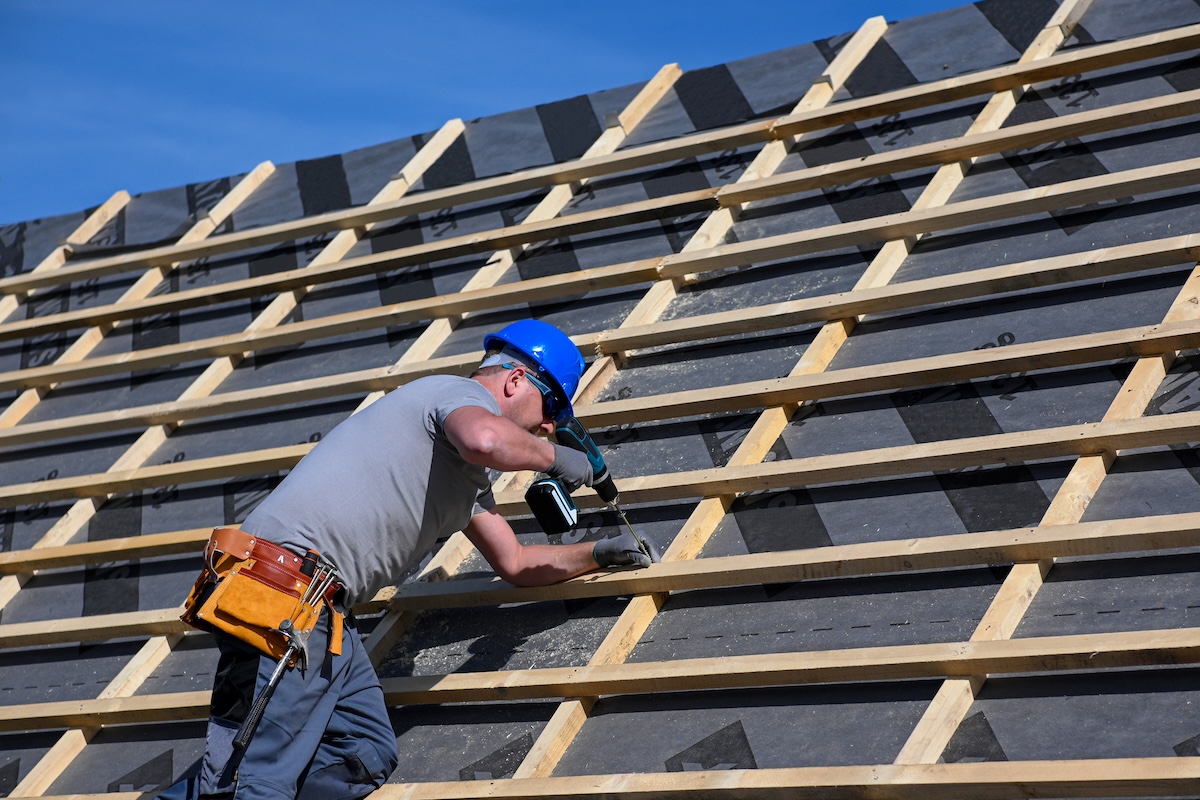
Understanding the steps involved in roof tear off and replacement can clarify why costs vary and how to prepare your home effectively. A carefully executed process results in a durable roof that protects your investment.
Initial Assessment and Estimate
The roofing professionals will first inspect your existing roof to identify damage, deck condition, and project complexity. This assessment lays the groundwork for an accurate estimate and timeline.
Removal of Old Roofing Materials
Using specialized tools, the roofing crew carefully tears off old shingles or materials, disposing of debris responsibly. Proper disposal is important to maintain site safety and environmental compliance.
Deck Inspection and Repairs
After removal, the deck is inspected for damage such as rot or warping. Any repairs ensure a solid foundation for the new roof. This step is critical for preventing future leaks or structural issues.
Installation of Underlayment and New Roofing Materials
Underlayment provides an additional moisture barrier beneath the shingles or tiles. The roofing materials are then installed following manufacturer specifications for maximum durability.
Final Inspection and Cleanup
Once installation is finished, a thorough inspection ensures quality standards and local code compliance. The work site is then cleaned up, leaving your property safe and tidy.
Long-Term Benefits of Roof Replacement and Financial Considerations
Replacing your roof is more than just an immediate fix; it offers numerous long-term advantages that can justify the initial expenditure.
- Increased Home Value: A new roof enhances curb appeal and resale value.
- Improved Energy Efficiency: Modern materials can reduce heating and cooling costs.
- Enhanced Protection: Prevents water damage, mold, and structural degradation.
- Lower Maintenance Costs: New roofs require less frequent repairs.
- Peace of Mind: Warranty coverage offers financial security against defects.
While the initial price tag may appear daunting, considering these benefits highlights the value of roof replacement as a strategic investment.
Smart Tips for Budgeting Your Roof Replacement
Planning and budgeting effectively can ease financial pressure and ensure you are prepared for your roofing project.
- Obtain Multiple Quotes: Comparing estimates helps identify reasonable pricing and services.
- Set Aside Contingency Funds: Unexpected repairs or upgrades can increase costs.
- Understand Financing Options: Many contractors or lenders offer payment plans to spread costs.
- Schedule During Off-Peak Seasons: Lower demand can sometimes reduce labor charges.
- Prioritize Quality Over Cost: Investing in longer-lasting materials reduces future expenses.
Final Thoughts on Roof Replacement Costs
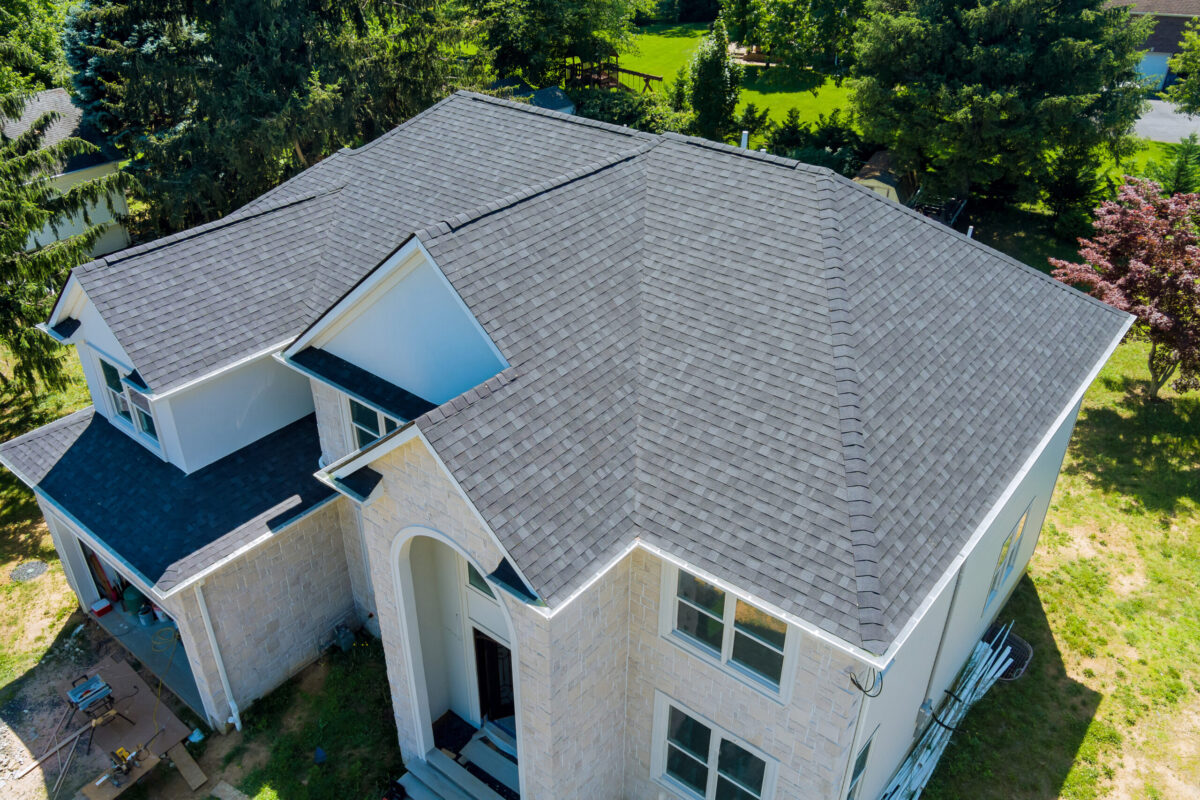
Knowing the average cost to tear off and replace a roof equips you with the insight to manage your home maintenance wisely. By understanding the factors that influence pricing and recognizing the long-term benefits, you can make a confident decision. For expert assistance with your roofing needs in your area, Titan Roofing Solutions is ready to help. To explore your options and receive a tailored quote, contact us today and let Titan Roofing Solutions guide you to a secure, durable roof that stands the test of time.

Comment (0)