

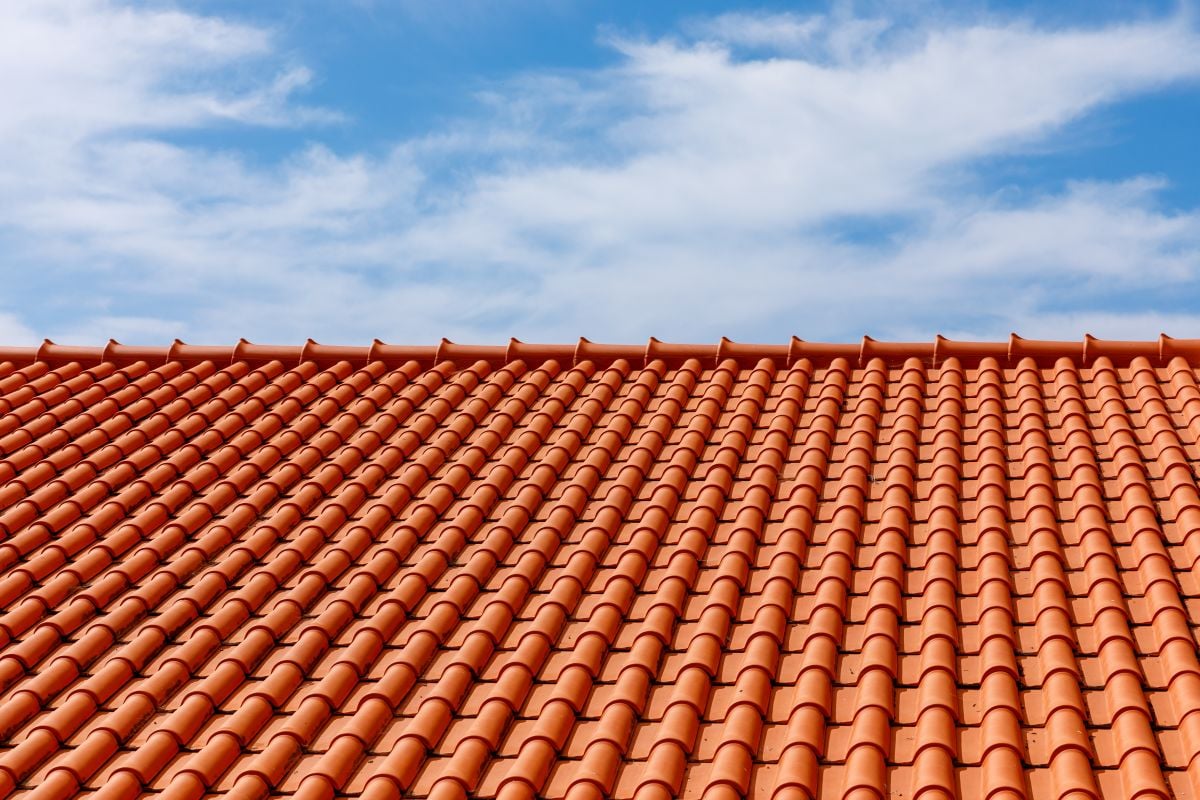
How Long Does A Tile Roof Last? (Lifespan & Maintenance)
Tile roofs are known for their beauty and durability, but homeowners often ask one key question: how long does a tile roof last? If you are investing in a roof for your home in Roseville and surrounding areas, understanding lifespan, maintenance, and long term value is essential. Tile roofing stands apart from many other materials, offering decades of reliable protection when properly installed and maintained. Learn more about professional tile roofing solutions and why they remain one of the most dependable roofing options available.
In this guide, you will learn:
- The average lifespan of different types of tile roofs
- What factors impact how long a tile roof lasts
- How maintenance affects longevity
- Signs your tile roof may need repair or replacement
- Practical tips to maximize your roof’s lifespan

Why Tile Roof Lifespan Matters for Homeowners
A roof is one of the most significant investments you will make in your home. Knowing how long a tile roof lasts helps you plan financially, protect your property, and make informed decisions about maintenance and repairs.
For homeowners in Roseville and surrounding areas, where hot summers and seasonal storms can test roofing materials, durability is not just a luxury. It is a necessity.
Here is why lifespan should be a top consideration:
- Long Term Value: Tile roofs often outlast asphalt shingles by decades, reducing replacement frequency.
- Stronger Protection: Durable materials help shield your home from heat, wind, and moisture intrusion.
- Higher Property Appeal: A well maintained tile roof enhances curb appeal and resale value.
- Lower Lifetime Costs: Although upfront costs may be higher, extended lifespan can make tile roofing more cost effective over time.
- Peace of Mind: Knowing your roof can perform for decades reduces stress during extreme weather.
Understanding longevity also allows you to compare tile with other roofing options realistically, rather than focusing only on initial price.
4 Types: Average Lifespan of a Tile Roof
Tile roofs are widely recognized for their exceptional durability. However, not all tile roofs are exactly the same. Material type, installation quality, and environmental conditions all influence lifespan.
Below is a breakdown of what homeowners can expect.
1. Clay Tile Roofs
Clay tiles are among the longest lasting roofing materials available. When properly installed and maintained, clay tile roofs can last 50 to 100 years or more.
Key advantages of clay tiles include:
- Natural resistance to fire
- Excellent performance in hot climates
- Color retention that does not fade easily
- Resistance to insect and rot damage
In areas like Roseville and surrounding areas, clay tiles perform especially well under prolonged sun exposure. Their ability to withstand high temperatures makes them a popular choice throughout California.
2. Concrete Tile Roofs
Concrete tiles are slightly more affordable than clay but still offer impressive durability. Most concrete tile roofs last between 40 and 75 years.
Benefits of concrete tiles include:
- Strong resistance to wind and impact
- Lower material cost compared to clay
- Wide variety of colors and styles
- Excellent structural strength
While concrete may not last quite as long as premium clay, it remains one of the most durable roofing materials available for residential homes.

3. Composite or Synthetic Tile Roofs
Composite tiles are designed to mimic the appearance of clay or slate while using lighter materials. These typically last between 30 and 50 years.
Advantages of composite tile include:
- Reduced weight on the home’s structure
- Easier installation
- Lower upfront cost
- Improved flexibility in certain weather conditions
Although they may not match the extreme longevity of natural tile, they still outperform many traditional roofing systems.
4. Underlayment Lifespan
It is important to remember that the tiles themselves often outlast the underlayment beneath them. Roofing underlayment generally lasts 20 to 30 years before needing replacement.
Even if your tiles remain intact, deteriorating underlayment can lead to leaks and moisture problems. Periodic inspections are essential to ensure the entire roofing system remains sound.
What Affects How Long a Tile Roof Lasts?
Even the most durable roofing material depends on proper conditions and care. Several factors influence whether your tile roof reaches its full lifespan potential.
Understanding these elements helps you protect your investment.
Installation Quality
Professional installation is critical. Improperly secured tiles, poor flashing work, or inadequate underlayment can shorten lifespan significantly.
Common installation mistakes include:
- Incorrect spacing
- Poor ventilation setup
- Weak fastening methods
- Inadequate waterproofing around penetrations
Working with experienced roofing professionals ensures that your roof performs as intended for decades.
Climate and Weather Conditions
While tile performs exceptionally well in warm climates, severe weather events can still cause damage.
In Roseville and surrounding areas, tile roofs may face:
- Intense UV exposure
- Seasonal rainstorms
- Occasional strong winds
Tiles are durable, but repeated freeze thaw cycles or heavy impact from debris can cause cracking over time.
Maintenance and Inspections
Routine maintenance directly impacts longevity. Even a single cracked tile can allow moisture intrusion if left unaddressed.
Proper maintenance includes:
- Annual roof inspections
- Prompt replacement of broken tiles
- Clearing debris from valleys and gutters
- Checking flashing and sealants
A proactive approach helps prevent small problems from becoming major structural issues.
Foot Traffic
Tile roofs are strong but not designed for frequent walking. Excessive foot traffic during maintenance or installation of other systems can crack tiles.
Whenever roof access is needed, trained professionals should handle it to avoid unnecessary damage.
Signs Your Tile Roof May Need Attention
Tile roofs are long lasting, but they are not indestructible. Knowing what to look for helps you act quickly and avoid larger repair costs.
Homeowners should watch for these warning signs:
Cracked or Missing Tiles
Individual tiles can crack due to impact or age. Missing tiles expose the underlayment to weather and increase the risk of leaks.
Even if damage appears minor, replacing affected tiles promptly helps preserve the integrity of the entire system.
Water Stains on Ceilings
Interior water stains often indicate underlayment issues rather than tile failure. Because tiles shed water rather than form a fully sealed surface, underlayment plays a key waterproofing role.
If you notice discoloration or damp spots, schedule an inspection immediately.
Sagging Roof Sections
Tile roofs are heavy. Structural sagging may indicate framing issues or long term moisture damage beneath the surface.
This requires professional evaluation to prevent further deterioration.
Mold or Moss Growth
Although tile resists rot, moisture trapped beneath debris can encourage mold or moss growth. Cleaning and maintenance help prevent this from becoming a long term issue.

Tile Roof Maintenance Best Practices
Maintaining your tile roof does not require constant work, but consistent care makes a major difference in longevity.
Below are practical steps to help maximize lifespan.
Schedule Regular Inspections
Professional inspections once a year allow roofing experts to identify small concerns early. Inspections are especially important after major storms.
Early detection often means minor repairs instead of costly replacements.
Replace Damaged Tiles Promptly
Broken tiles should never be ignored. Even if only one tile is cracked, water can penetrate and damage the underlayment below.
Quick replacement preserves the rest of the roofing system.
Keep Gutters and Valleys Clear
Debris buildup traps moisture and increases wear on the roof. Clearing leaves and branches improves drainage and reduces strain on flashing and underlayment.
Maintain Flashing and Sealants
Flashing around chimneys, vents, and skylights can wear down over time. Resealing vulnerable areas helps prevent leaks.
Limit Unnecessary Roof Access
Avoid walking on the roof unless absolutely necessary. When solar panels or other additions are installed, ensure contractors understand how to work safely with tile systems.
Comparing Tile Roof Lifespan to Other Roofing Materials
To truly understand how long a tile roof lasts, it helps to compare it with other popular roofing materials.
Asphalt Shingles
- Average lifespan: 15 to 30 years
- Lower upfront cost
- More frequent replacement required
While asphalt shingles are budget friendly, they typically need replacement at least twice within the time a tile roof remains functional.
Metal Roofing
- Average lifespan: 40 to 70 years
- Lightweight and energy efficient
- Can dent under heavy impact
Metal roofs offer strong longevity, but premium tile can surpass them in lifespan under the right conditions.
Wood Shake Roofing
- Average lifespan: 20 to 40 years
- Natural aesthetic appeal
- Higher maintenance needs
Wood requires more upkeep and is more vulnerable to fire and moisture damage compared to tile.
Slate Roofing
- Average lifespan: 75 to 100 years
- Extremely durable
- Higher cost and structural weight
Slate rivals clay tile in longevity but can be significantly more expensive.
For homeowners in Roseville and surrounding areas, tile often strikes the ideal balance between durability, aesthetics, and long term value.
Is a Tile Roof Worth the Investment?
Although tile roofing typically comes with a higher upfront cost, its extended lifespan often justifies the investment.
Consider these long term benefits:
- Reduced replacement frequency
- Enhanced curb appeal
- Improved energy efficiency
- Strong resistance to fire and pests
- Potential increase in property value
Over 50 years, replacing an asphalt roof multiple times may cost more than installing a tile roof once. When viewed through a long term lens, tile becomes a financially sound choice.
Additionally, many homeowners appreciate the distinctive architectural character that tile provides. It complements Mediterranean, Spanish, and contemporary home designs beautifully.

Planning for Underlayment Replacement
Because underlayment generally does not last as long as the tiles themselves, some homeowners will need to re roof while reusing existing tiles.
This process involves:
- Carefully removing and stacking tiles
- Replacing old underlayment
- Installing updated waterproof barriers
- Reinstalling tiles securely
When performed correctly, this extends the roof’s life significantly without the full cost of brand new tile materials.
Professional evaluation determines whether tiles are still in good enough condition to reuse.
Final Thoughts on Tile Roof Longevity
Understanding how long a tile roof lasts allows you to make informed decisions about installation, maintenance, and future planning. With lifespans ranging from 40 to 100 years depending on material and care, tile roofing stands as one of the most durable options available to homeowners.
For properties in Roseville and surrounding areas, where heat and seasonal weather demand resilient roofing systems, tile offers dependable protection and lasting beauty. Routine inspections and timely repairs ensure you get the maximum return on your investment.
If you are considering a new tile roof or need an expert evaluation of your current system, Titan Roofing Solutions is here to help. Our experienced team understands the unique roofing needs of homes throughout Roseville and surrounding areas. Contact us today to schedule a consultation and discover how Titan Roofing Solutions can protect your home for decades to come.

Comment (0)