

What Is The Minimum Pitch For Metal Roof To Prevent Leaks?
Metal roofs are known for their durability and sleek design, but one factor often overlooked by homeowners is roof pitch. The minimum pitch for metal roof systems plays a critical role in how well they shed water and resist leaks. Whether you’re building a new home or replacing an old roof, understanding how slope affects performance can save you money, hassle, and long-term maintenance. Learning the best applications for various roof types helps ensure your installation lasts—and starts with knowing what kind of roof system fits your needs.
In this blog, you’ll learn:
- Why roof pitch matters for metal roofing systems
- What the minimum pitch is for different metal roof styles
- Key factors that affect water shedding and leak prevention
- Design considerations for homes in Folsom and surrounding areas
- When to work with a professional to avoid costly mistakes
Why Roof Pitch Matters for Metal Roofing Systems
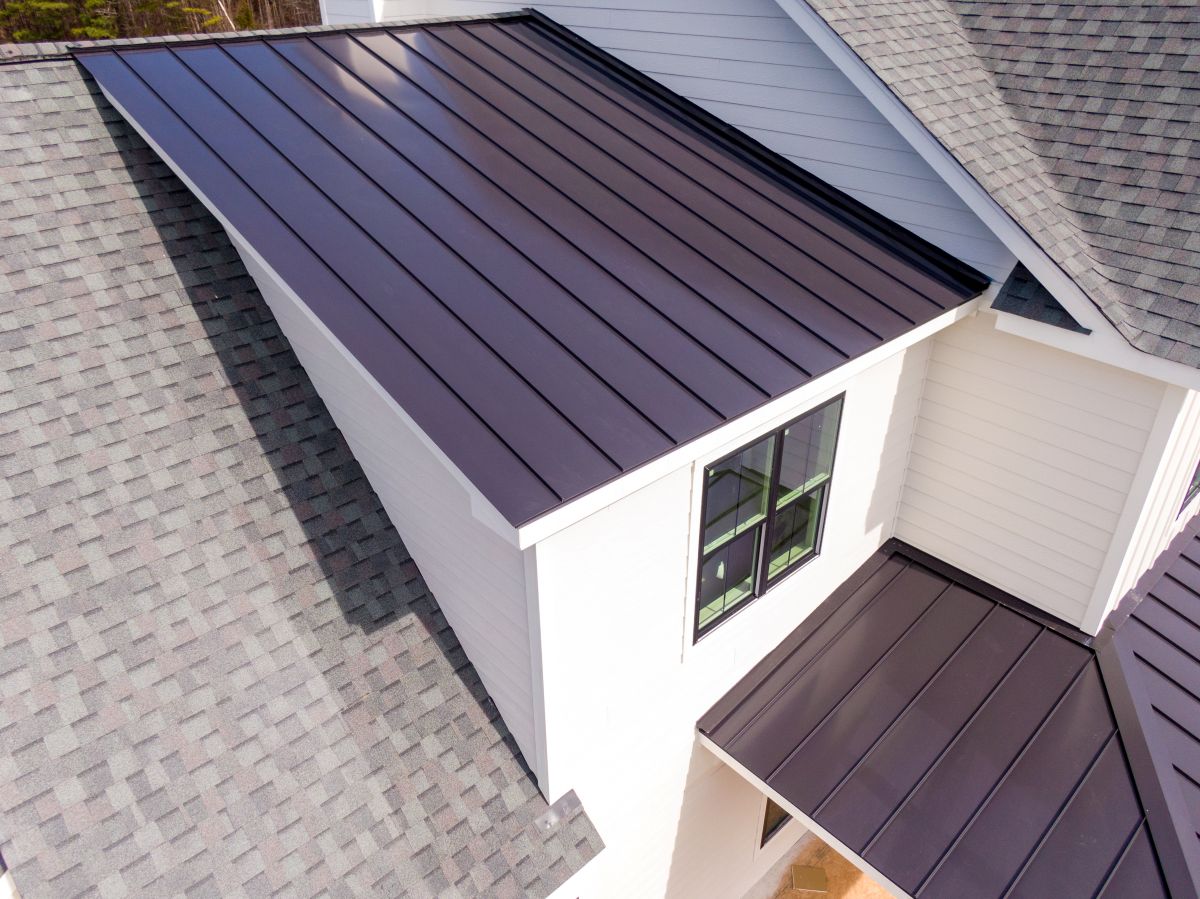 Many homeowners assume metal roofs are waterproof by default. While they are highly water-resistant, their ability to stay leak-free depends on proper installation and slope. The roof pitch, or angle of the roof, affects how quickly water can drain off the surface.
In Folsom and surrounding areas, where rain may come in short, intense bursts, a poorly pitched roof can trap water—leading to rust, corrosion, or even structural leaks. Choosing the right pitch ensures water flows off quickly without pooling or backing up under seams.
Here’s why pitch plays such a critical role:
- Water drainage: Steeper pitches shed water faster, reducing the risk of standing water that can lead to leaks.
- Material suitability: Not all metal roofing panels are rated for low-slope applications; some require specific minimums.
- Ventilation support: Roofs with the correct slope promote better airflow, helping prevent condensation underneath.
- Building code compliance: Most areas, including those around Folsom, have minimum pitch requirements for certain materials.
- Long-term durability: A properly sloped metal roof experiences less stress during heavy rains and lasts longer overall.
5 Key Considerations for Minimum Pitch in Metal Roofing
There’s no one-size-fits-all answer to minimum pitch. It depends on the type of metal roof, local weather patterns, and construction methods. That said, understanding these six key considerations will help you make the right decision for your home.
1. Know the General Minimum Pitch Standards
For most standing seam metal roofs, the minimum pitch is 1/4:12. This means the roof rises 1/4 inch for every 12 inches of horizontal run.
However, this minimum only applies to certain mechanically seamed panels with specialized sealants and installation methods. More commonly, roofers recommend at least a 3:12 pitch for most residential metal roofs.
What these numbers mean:
- 1:12 = extremely low slope (generally used for commercial flat roofing)
- 2:12 = minimal slope, may require sealant and special materials
- 3:12 and up = ideal for most metal roofing panels in residential applications
2. Choose the Right Metal Roofing Panel Type
Not all metal panels are designed for low-pitch installations. Roofing products are manufactured with specific pitch requirements in mind.
Common panel styles and their minimum pitch:
- Standing seam panels: Can be used on slopes as low as 1/4:12 with mechanical seaming
- Snap-lock panels: Require 3:12 or greater for proper sealing
- Corrugated panels: Usually require 3:12 to 4:12 due to exposed fasteners
Consult with a roofing professional to ensure the selected panel fits the intended slope.
3. Account for Local Climate and Rainfall
In regions like Folsom and surrounding areas, heavy seasonal rain can overwhelm shallow-pitched roofs. The steeper your roof, the less likely it is to develop pooling water or ice dams during cooler months.
Important climate considerations:
- Roofs with a slope under 2:12 are more prone to backflow during wind-driven rain
- Snowfall, if applicable, puts added weight on low-pitch roofs
- Metal roofs with inadequate pitch may require ice and water shields to remain effective
4. Consider the Roof Deck and Underlayment
Even with the right pitch, your roof’s waterproofing depends on what’s underneath the panels. The steeper the pitch, the less reliant the roof is on underlayment for water control.
For low-pitch metal roofs:
- Use high-quality, self-adhering underlayments
- Ensure roof decking is solid and properly sloped
- Install appropriate flashing and sealants at all penetrations
This layer acts as backup protection if water manages to bypass the metal surface.
5. Think About Aesthetic and Architectural Goals
Pitch also affects how your home looks. A steeper pitch offers a more classic profile, while low-slope roofs create a modern or minimalist appearance.
Things to consider:
- Architectural style: Modern homes often use low-pitch metal roofs
- HOA rules: Some communities have pitch minimums in their guidelines
- Attic or vaulted ceiling plans: May limit or require certain pitches
Balancing aesthetics with function ensures your roof works and looks the way you want it to.
6. Always Follow Manufacturer and Code Requirements
Even if your roofer agrees to a certain slope, your warranty or local building department may say otherwise.
Minimum pitch requirements may be set by:
- Panel manufacturer specifications
- Local building codes
- State or municipal construction guidelines
Failing to follow these can void warranties or result in failed inspections, especially if you’re adding on or renovating.
Design Tips for Low-Slope Metal Roofs
If you’re planning a low-pitch metal roof, it’s essential to incorporate smart design choices to reduce the risk of leaks and extend your roof’s lifespan.
- Bold overlap design: Use panels with raised seams and water channels to move water away from vulnerable areas.
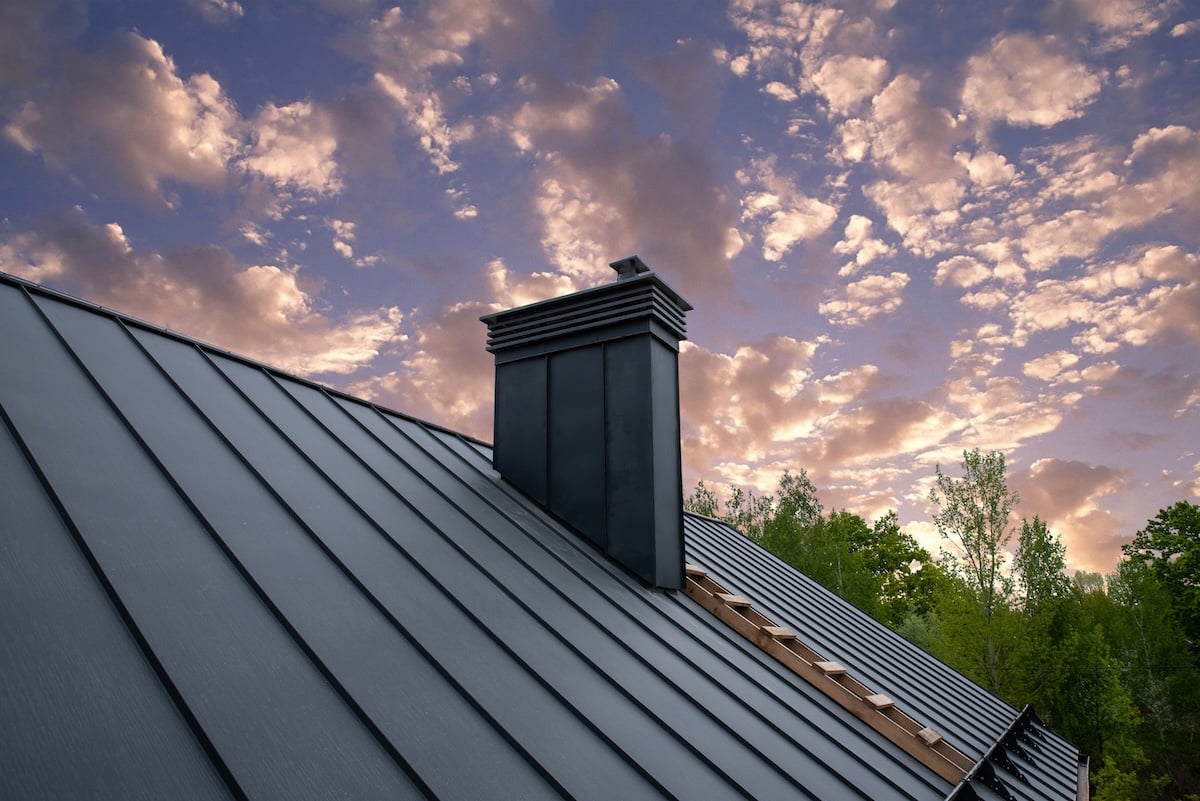
- Add crickets behind chimneys or skylights: Direct water around penetrations where pooling may occur.
- Use hidden fasteners: Exposed fasteners are more likely to leak over time, especially on low-pitch installations.
- Limit roof penetrations: Try to minimize vents or skylights on low-slope areas whenever possible.
These design choices not only improve performance but also keep the roof looking clean and modern.
Comparing Minimum Pitch Requirements by Metal Roof Type
Here’s a quick breakdown of common metal roofing systems and their minimum pitch requirements:
| Metal Roof Style | Minimum Recommended Pitch | Best Use Case |
| Standing Seam (mechanical lock) | 1/4:12 | Low-slope roofs, high-performance needs |
| Standing Seam (snap-lock) | 3:12 | Standard residential applications |
| Corrugated/Exposed Fastener | 3:12 | Utility buildings, barns, sheds |
| Metal Shingles | 3:12 | Residential with traditional look |
As you can see, most homeowners will want to stay at 3:12 or greater unless working with specialty systems.
Pitch and Roof Longevity: How Slope Impacts Performance Over Time
 Even if your metal roof is properly installed at a low pitch, it’s still more vulnerable to long-term wear than steeper alternatives. Understanding how slope affects roof performance helps you plan maintenance and manage expectations.
Factors influenced by pitch:
- Water shedding speed: Faster flow reduces standing water and corrosion risk
- Wind uplift resistance: Flatter roofs can trap wind beneath panels if not secured properly
- Maintenance needs: Low-slope roofs may require more frequent inspections for buildup or blocked drainage
- Energy performance: Pitch can affect how the sun hits your roof, influencing heat absorption and attic ventilation
For homeowners in Folsom and surrounding areas, where temperature swings and seasonal rain are common, a slightly steeper pitch often delivers better long-term value.
Final Thoughts: Pitch Is the Foundation of Leak-Free Performance
Choosing the right slope isn’t just a design preference—it’s a technical requirement for success. Metal roofs are a smart investment, but they only perform their best when installed at or above the recommended minimum pitch. Whether you’re considering standing seam panels, corrugated sheets, or architectural metal systems, getting the slope right ensures you’re building a roof that will protect your home for decades.
If you’re not sure what pitch your current or future roof needs, or if you’re dealing with leaks on a low-slope structure, contact us today to speak with Titan Roofing Solutions. Our team can inspect your home, make tailored recommendations, and ensure your roof is built to perform in all conditions.
Comment (0)