


How To File A Roof Insurance Claim? (A Homeowner’s Guide)
Roof damage has a way of showing up when homeowners least expect it. One strong storm, fallen branch, or sudden leak can leave you wondering what to do next. Filing a roof insurance claim correctly can mean the difference between affordable repairs and major out-of-pocket expenses. While the process can feel intimidating, understanding how insurance companies evaluate roof damage helps homeowners make confident, informed decisions from the start.
In this guide, you will learn:
- When filing a roof insurance claim makes sense
- How the claim process actually works step by step
- What insurance adjusters focus on during inspections
- Common mistakes that slow down or hurt claims
- How homeowners in Sacramento and surrounding areas can protect their roof and finances
Why Roof Insurance Claims Matter More Than Most Homeowners Realize
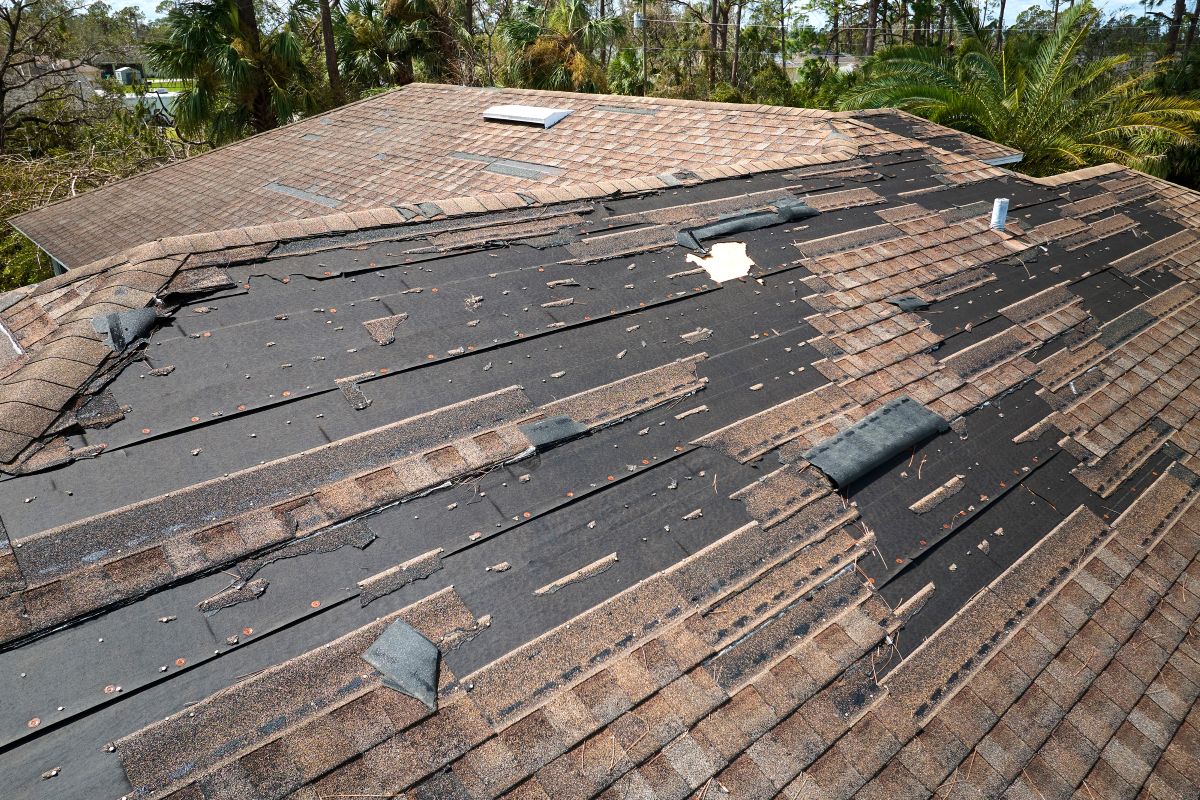 Roof damage is rarely limited to what you can see from the ground. Once the outer roofing materials are compromised, water can move quickly into insulation, drywall, framing, and electrical systems. Filing a roof insurance claim properly gives homeowners the financial support needed to fix damage correctly instead of relying on temporary or incomplete repairs.
In Sacramento and surrounding areas, roof damage often comes from windstorms, heavy rain, falling tree limbs, and seasonal weather shifts. These events may not always look dramatic, but they can still cause damage that worsens over time.
Filing a claim offers several important advantages:
- Cost relief: Insurance coverage helps offset repair or replacement costs that would otherwise strain household budgets.
- Damage prevention: Claims support timely repairs before moisture spreads deeper into the home.
- Policy protection: Following the correct process reduces the risk of denied or reduced coverage.
- Documentation trail: A formal claim creates records that protect homeowners if issues arise later.
- Decision confidence: Knowing repairs are supported by insurance allows homeowners to move forward without hesitation.
6 Steps To File a Roof Insurance Claim
While every insurance company has its own procedures, most roof insurance claims follow the same basic structure. Understanding these six steps helps homeowners stay organized and avoid unnecessary delays.
1. Confirm There Is Actual Roof Damage
The process begins with identifying damage related to a specific event. Sometimes damage is obvious, such as missing shingles or visible holes. Other times, it is hidden and only shows symptoms inside the home.
Warning signs may include:
- Water stains or bubbling paint on ceilings
- Shingles that appear lifted, cracked, or scattered
- Granules accumulating near downspouts
- Bent or detached flashing around roof features
Even if leaks are not present yet, damage may still qualify for a claim.
2. Understand What Your Policy Covers
Before calling your insurance provider, take time to review your homeowners policy. Knowing what is covered helps set realistic expectations and avoids confusion during conversations with your insurer.
Pay close attention to:
- Covered causes of loss such as wind or hail
- Deductible amounts
- Replacement cost versus actual cash value coverage
- Time limits for reporting damage
Policies vary widely, and understanding yours puts you in a stronger position.
3. Get a Professional Roof Inspection
A professional roof inspection provides the documentation insurance companies rely on when evaluating claims. Trained roofing professionals know how to identify storm-related damage versus normal wear.
An inspection typically includes:
- A full evaluation of shingles, flashing, vents, and valleys
- Photos of damaged areas
- Notes on the cause and severity of damage
- A recommendation for repair or replacement
This step is often what determines whether a claim is approved or denied.
4. File the Claim With Your Insurance Company
Once damage is documented, contact your insurance company to officially file the claim. This starts the claims process and creates a case number.
You will likely be asked:
- When the damage occurred
- What caused the damage
- Whether temporary measures were taken
- For any inspection documentation you have
Clear and accurate information helps prevent delays.
5. Attend the Insurance Adjuster Inspection
After the claim is filed, the insurance company sends an adjuster to inspect your roof. The adjuster’s assessment plays a major role in determining coverage.
During this inspection:
- The adjuster evaluates the cause and extent of damage
- Measurements and photos are taken
- The roof’s age and condition are considered
Having a roofing professional present can help ensure all damage is properly identified and explained.
6. Review the Settlement and Move Forward With Repairs
Once the adjuster completes their inspection, the insurance company issues a settlement outlining approved work and payment details.
At this point, homeowners should:
- Review the scope of repairs carefully
- Ask questions about exclusions or limitations
- Schedule repairs in a timely manner
Delaying repairs after approval can expose the home to further damage.
Mistakes That Commonly Hurt Roof Insurance Claims
Many roof insurance claims run into trouble due to avoidable mistakes. These missteps often happen early in the process and can affect coverage.
Some of the most common mistakes include:
- Waiting too long to report damage
- Making permanent repairs before inspection
- Throwing away damaged materials
- Failing to document interior and exterior damage
- Assuming insurance will cover all roof issues automatically
In Sacramento and surrounding areas, storms can impact entire neighborhoods at once. Being proactive helps your claim stand out during high-volume periods.
What Insurance Adjusters Focus On During Roof Inspections
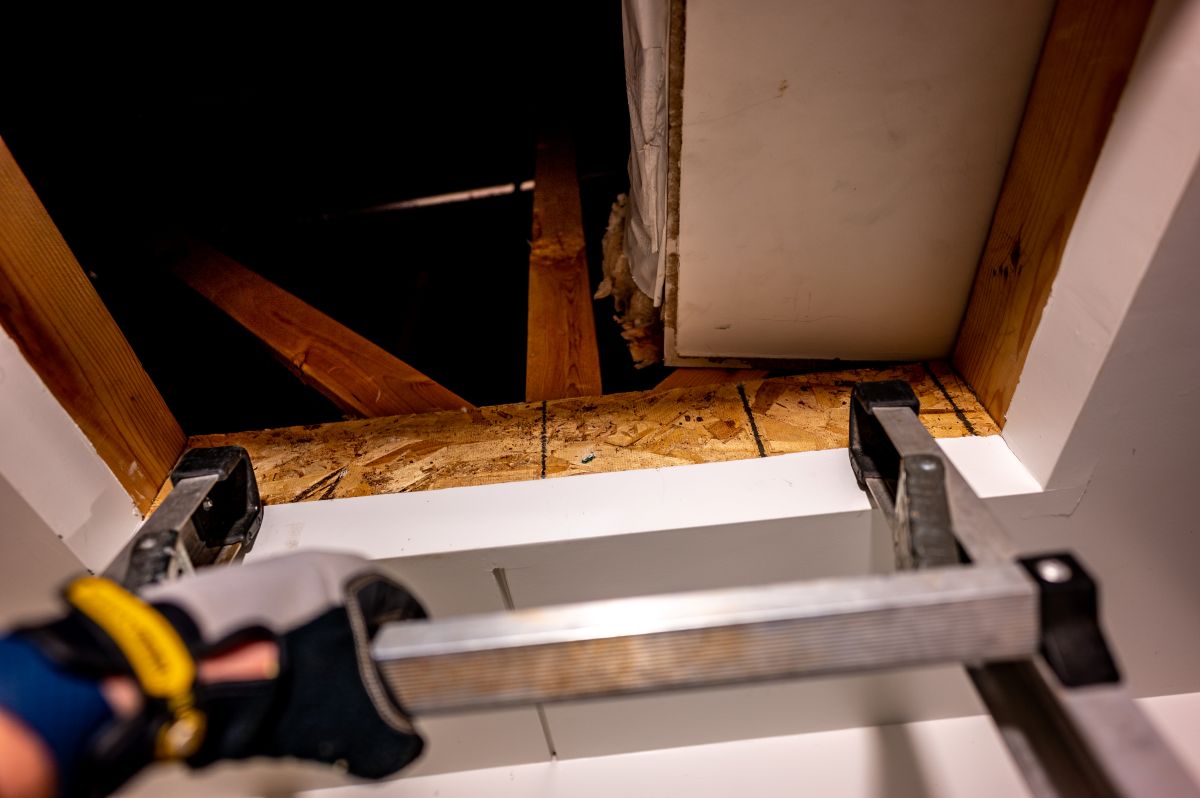 Insurance adjusters follow specific guidelines when evaluating roof damage. Understanding their focus helps homeowners know what matters most during inspections.
Adjusters typically assess:
- Whether damage matches the reported event
- The number of damaged shingles or components
- The age and overall condition of the roof
- Signs of neglect or prior damage
They also differentiate between sudden damage and long-term deterioration.
Covered Damage vs Non-Covered Issues
Insurance policies usually cover sudden and accidental damage, not gradual wear.
Covered examples:
- Wind-lifted shingles
- Impact damage from hail or debris
- Storm-related flashing failure
Not typically covered:
- Aging or brittle shingles
- Poor installation
- Lack of maintenance
Understanding this distinction reduces frustration during the claims process.
Temporary Repairs and Their Role in a Roof Insurance Claim
Insurance companies expect homeowners to take reasonable steps to prevent additional damage. Temporary repairs are often necessary and encouraged.
Temporary measures can include:
- Covering exposed areas
- Redirecting water away from openings
- Protecting interior spaces from leaks
These steps help prevent secondary damage while the claim is under review. Permanent repairs should usually wait until the adjuster has completed their inspection unless safety issues demand immediate action.
How Insurance Payments and Deductibles Work
Insurance claim payments depend on how your policy is structured. Knowing how payouts work helps homeowners plan financially.
Key factors include:
- Your deductible amount
- Whether your policy includes depreciation
- The approved scope of work
- Additional damage discovered during repairs
Some insurance companies issue payments in phases, with a final payment released after repairs are completed and documented.
When Insurance Approves Roof Replacement Instead of Repairs
In certain cases, insurance companies approve full roof replacement rather than partial repairs. This usually happens when damage is widespread or repairs would not restore proper performance.
Replacement may be approved when:
- Damage affects multiple roof sections
- Matching materials are no longer available
- Repairs would compromise long-term durability
Knowing these criteria helps homeowners understand their options.
How Long the Roof Insurance Claim Process Usually Takes
 Claim timelines vary based on damage severity, insurer workload, and homeowner responsiveness.
A typical claim timeline looks like this:
- Claim filed within days of damage
- Adjuster inspection within one to two weeks
- Claim decision within several weeks
- Repairs scheduled based on contractor availability
Staying organized and responsive helps keep the process moving.
Why Local Roofing Experience Makes a Difference
Working with a local roofing professional offers advantages during the insurance process. Contractors familiar with Sacramento and surrounding areas understand regional weather patterns, common damage types, and local building requirements.
Benefits of local experience include:
- More accurate damage assessments
- Familiarity with common insurance expectations
- Faster response times
- Accountability long after repairs are complete
Homeowners should be cautious of contractors who pressure quick decisions or make unrealistic promises.
Practical Tips for a Smoother Claim Experience
Small steps can make a big difference when filing a roof insurance claim.
Helpful tips include:
- Take photos immediately after damage occurs
- Keep a record of all communication
- Ask for clarification when something is unclear
- Avoid rushing into permanent repairs
- Follow up regularly on claim status
Preparation and communication go a long way.
Get Trusted Help From Titan Roofing Solutions
Filing a roof insurance claim does not have to feel overwhelming or confusing. With the right guidance, homeowners can protect their property, avoid unnecessary expenses, and restore their roof properly. Titan Roofing Solutions works with homeowners throughout Sacramento and surrounding areas to provide clear inspections, honest recommendations, and experienced support during the insurance claim process.
If your roof has been damaged and you are unsure how to proceed, contact us today and let Titan Roofing Solutions help you navigate the process with confidence and clarity.

Comment (0)